
What Causes Tooth Sensitivity and How to Treat It
Tooth sensitivity is a common dental concern for adults in Texas and around the world, affecting millions of people each year. Those who experience sensitivity often describe sharp, sudden pain when consuming hot, cold, sweet, or acidic foods and beverages. While occasional sensitivity is not uncommon, persistent discomfort can interfere with daily life, eating habits, and overall oral health. Understanding the underlying causes of tooth sensitivity, recognizing contributing factors, and exploring effective treatments are essential for maintaining healthy teeth and preventing long-term complications. With advancements in modern dentistry, patients no longer need to suffer in silence; a range of professional solutions is available to alleviate discomfort and protect teeth from further damage. This article provides a comprehensive guide to causes, treatments, and preventive strategies for tooth sensitivity, helping individuals in Texas make informed decisions for long-term oral health.
What Is Tooth Sensitivity?
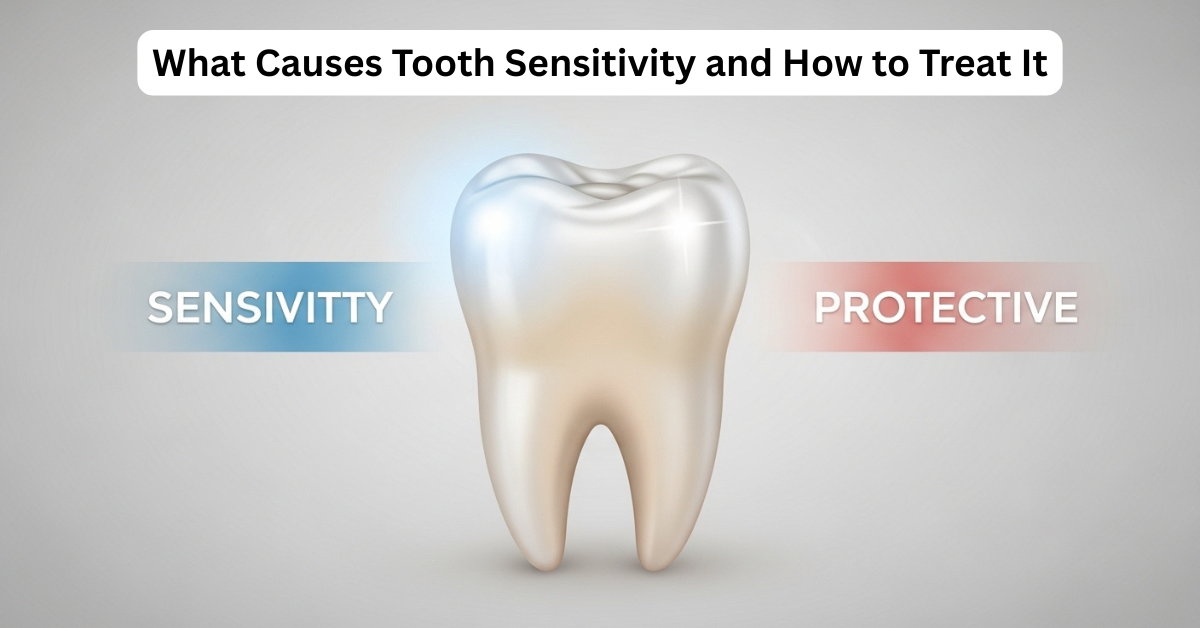
Tooth sensitivity, also known as dentin hypersensitivity, occurs when the protective layers of a tooth are compromised, exposing the underlying dentin or nerve endings. The dentin is the layer beneath the enamel and cementum, containing microscopic tubules that communicate with the dental pulp, where nerves reside. When these tubules are exposed to external stimuli such as temperature changes, sugary foods, or acidic drinks, the nerves send sharp pain signals to the brain. This condition can affect one tooth, multiple teeth, or an entire quadrant of the mouth. While sensitivity is often temporary and mild, it may indicate more serious dental issues, including enamel erosion, gum recession, cavities, or cracked teeth. Recognizing the early signs of sensitivity allows patients in Texas to seek treatment promptly and prevent progression.
Common Causes of Tooth Sensitivity
Tooth sensitivity can result from a variety of factors, ranging from lifestyle habits to underlying dental conditions. Some of the most common causes include:
Enamel Erosion: Enamel, the hard outer layer of the tooth, protects the dentin beneath. Acidic foods, beverages, or gastric acid from acid reflux can erode enamel over time, exposing dentin and leading to sensitivity.
Gum Recession: Receding gums, often due to periodontal disease or aggressive brushing, expose the tooth root, which is not covered by enamel and is more prone to sensitivity.
Tooth Decay and Cavities: Early-stage tooth decay can expose the dentin, causing heightened sensitivity to temperature and sweet stimuli.
Cracked or Fractured Teeth: Cracks in the enamel allow external irritants to reach the inner dentin, resulting in discomfort.
Teeth Grinding (Bruxism): Chronic grinding or clenching wears down enamel, making teeth more susceptible to sensitivity and even fractures.
Dental Procedures: Teeth may temporarily become sensitive after professional cleanings, fillings, whitening treatments, or other dental procedures.
Plaque Buildup: Excessive plaque accumulation along the gum line can irritate gums and contribute to exposed dentin.
Improper Brushing Technique: Using a hard-bristled toothbrush or brushing too aggressively can wear down enamel and cause gum recession, exacerbating sensitivity.
Recognizing these causes is the first step in developing a treatment plan that addresses the root of the problem rather than just masking symptoms.
Symptoms of Tooth Sensitivity
Tooth sensitivity presents in several ways, and identifying the signs is crucial for timely intervention. Common symptoms include:
- Sharp, brief pain when consuming hot or cold foods and drinks.
- Sensitivity to sweet or acidic foods such as citrus, soda, or candy.
- Discomfort when brushing or flossing along exposed areas.
- Occasional lingering pain that subsides quickly but recurs with stimuli.
- Sensitivity in multiple teeth, suggesting enamel erosion or gum recession.
While these symptoms may appear minor initially, persistent sensitivity can affect nutrition, oral hygiene routines, and overall quality of life.
Treatment Options for Tooth Sensitivity
Modern dentistry offers a variety of effective treatments for tooth sensitivity, ranging from home care to professional interventions. The appropriate approach depends on the underlying cause, severity, and patient needs.
Desensitizing Toothpaste
For mild sensitivity, desensitizing toothpaste is often the first line of defense. These formulations contain compounds like potassium nitrate or stannous fluoride that help block nerve transmission in the dentin tubules, reducing pain signals. Regular use over several weeks can significantly improve comfort and allow patients to maintain routine oral hygiene.
Fluoride Treatments
Professional fluoride treatments strengthen enamel and provide additional protection to exposed dentin. Dentists in Texas may apply fluoride varnishes, gels, or prescribe at-home fluoride rinses to remineralize teeth and reduce sensitivity.
Dental Bonding or Sealants
When sensitivity results from exposed dentin or minor enamel loss, dental bonding or sealants can cover the affected areas. This barrier protects the dentin and prevents further irritation. Bonding is a minimally invasive procedure that restores both function and aesthetics.
Gum Grafting
For patients with gum recession exposing tooth roots, a periodontist may recommend gum grafting. This procedure involves taking tissue from the patient’s palate or using donor tissue to cover exposed roots, reducing sensitivity and improving gum health.
Root Canal Therapy
In severe cases where sensitivity is caused by deep decay or nerve damage, root canal therapy may be necessary. This procedure removes the affected nerve tissue and seals the tooth, providing permanent relief from pain and preserving tooth structure.
Lifestyle and Oral Hygiene Adjustments
Simple adjustments can also reduce sensitivity and prevent further damage. Using a soft-bristled toothbrush, avoiding acidic foods, limiting teeth grinding, and practicing gentle brushing techniques are all effective strategies. Maintaining regular dental check-ups allows early detection and intervention before sensitivity escalates.
Preventive Strategies
Preventing tooth sensitivity is often easier than treating it. Adults in Texas can adopt several preventive measures to protect their enamel and gum health:
- Practice Good Oral Hygiene: Brush twice daily with a soft-bristled brush and fluoride toothpaste, and floss regularly.
- Limit Acidic Intake: Reduce consumption of soda, citrus, and acidic foods that erode enamel.
- Wear a Mouthguard: Protect teeth from grinding during sleep or sports.
- Avoid Abrasive Toothpastes: Highly abrasive formulations can wear down enamel over time.
- Schedule Regular Dental Visits: Routine cleanings and exams help detect early signs of sensitivity and other dental issues.
By combining professional care with at-home preventive strategies, patients can significantly reduce the risk of sensitivity and maintain a healthy, comfortable smile.
When to See a Dentist
Persistent or severe tooth sensitivity should not be ignored. Adults in Texas experiencing continuous discomfort, pain with specific foods, or sensitivity after dental procedures should consult a professional dentist. Early evaluation helps identify underlying causes such as cavities, gum disease, or fractures. Timely intervention prevents more serious complications, including tooth loss or infection, and allows for personalized treatment planning tailored to the patient’s oral health needs.
Related Dental Treatments
Tooth sensitivity is often linked to broader dental health concerns. Related treatments that complement sensitivity management include:
- Dental Implants: Replace missing teeth while preserving jawbone structure.
- Cosmetic Dentistry: Procedures like veneers or bonding can restore enamel and aesthetics.
- Root Canal Therapy: Treats deep decay or nerve-related sensitivity.
- General Dentistry: Preventive care, cleanings, and check-ups support long-term oral health.
Internal linking to these services provides patients with a comprehensive approach to oral health and emphasizes the importance of holistic dental care.
Frequently Asked Questions About Tooth Sensitivity
Q1: Is tooth sensitivity permanent?
A: Tooth sensitivity is often reversible, especially if addressed early. Proper treatment and preventive care can restore comfort and protect enamel.
Q2: Can tooth sensitivity indicate a serious problem?
A: Yes. Persistent sensitivity may signal cavities, gum disease, or nerve issues. Consulting a dentist is essential to prevent complications.
Q3: Are there at-home remedies for tooth sensitivity?
A: Using desensitizing toothpaste, avoiding acidic foods, and practicing gentle oral hygiene are effective home strategies. Professional guidance ensures optimal results.
Q4: Does whitening toothpaste worsen sensitivity?
A: Some whitening products may exacerbate sensitivity. Patients should use dentist-approved formulas and follow instructions carefully.
Q5: How long does it take for treatments to relieve sensitivity?
A: Relief varies by treatment. Desensitizing toothpaste may take several weeks, while professional interventions like bonding or fluoride varnishes provide faster results.
Conclusion
Tooth sensitivity affects millions of adults but is manageable with modern dental care. Understanding the causes, recognizing symptoms, and seeking timely treatment are crucial steps in protecting oral health and enjoying daily activities without discomfort. Professional interventions, lifestyle adjustments, and preventive strategies work together to address sensitivity, restore comfort, and prevent long-term damage. Adults in Texas should consult qualified dentists for personalized evaluations and treatment plans, ensuring lasting relief and a confident, healthy smile.