
Emergency Dentist vs Regular Dentist: What’s the Difference?
Dental health is one of the cornerstones of overall wellness, yet many people remain uncertain about the roles of different dental professionals. For patients in Texas, distinguishing between an emergency dentist and a regular dentist can mean the difference between timely intervention for urgent problems and delays that lead to more complex, costly, or painful treatments. An emergency dentist specializes in urgent dental care for conditions that require immediate attention, such as severe pain, trauma, or infections that could worsen if left untreated. A regular dentist, on the other hand, focuses on routine examinations, preventive care, and scheduled restorative treatments that support long-term oral health. Understanding these differences ensures that patients receive the right care at the right time, protecting their smiles, preserving oral function, and maintaining confidence. This comprehensive guide explores the distinctions between emergency and regular dentists, what patients can expect during visits, common treatments, and practical advice for managing urgent dental needs, emphasizing the importance of proper decision-making for Texans.
What Is an Emergency Dentist?
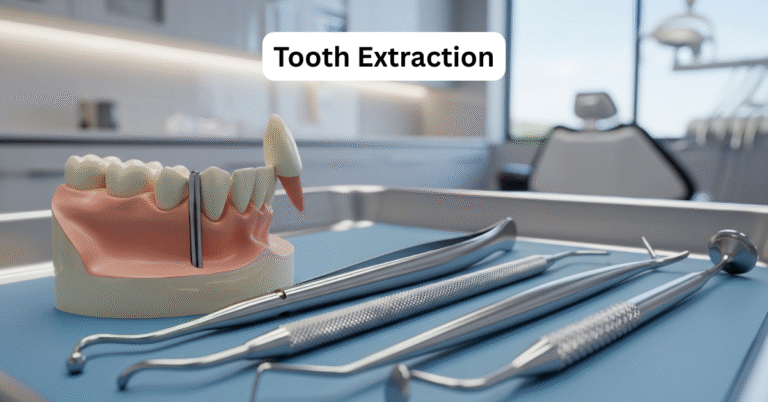
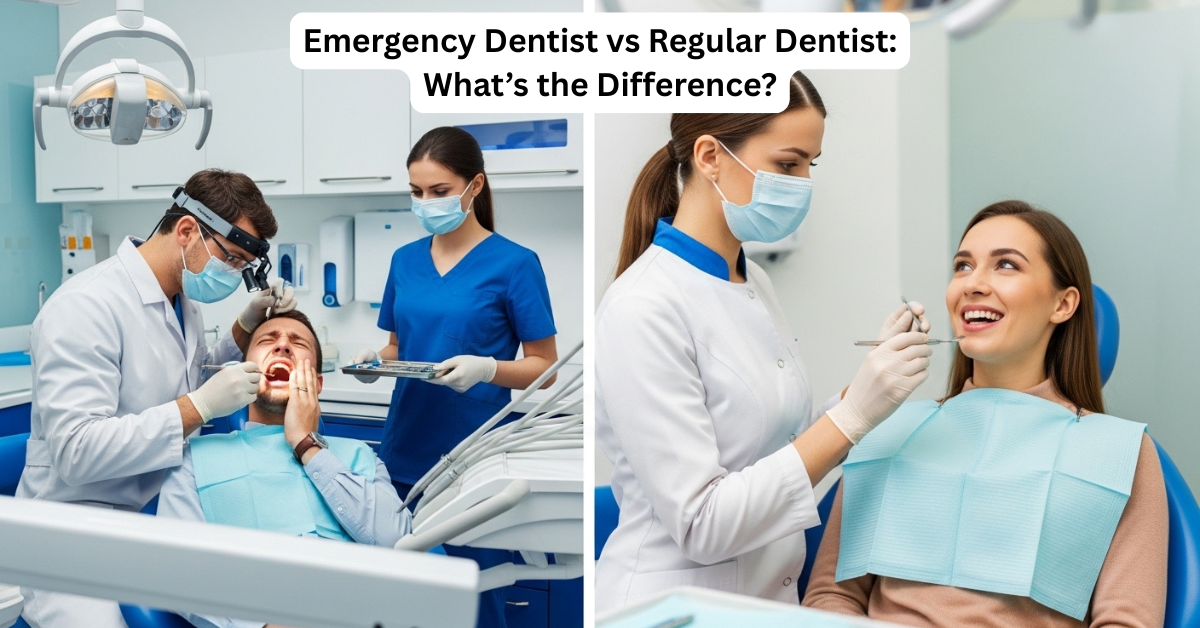
An emergency dentist is a dental professional trained to provide immediate care for urgent oral health problems. These dentists focus on addressing conditions that cannot wait for a regular appointment due to the potential risk of worsening pain, damage, or infection. Common situations requiring an emergency dentist include a tooth that has been knocked out due to trauma, a severe toothache caused by an infection or cavity, a broken or cracked tooth, sudden swelling of the gums, or an abscess that threatens the surrounding tissue. Unlike routine appointments, emergency dental care is action-oriented and often performed under time-sensitive conditions. Emergency dentists are experienced in stabilizing patients, providing pain relief, and creating temporary or permanent solutions depending on the urgency. For instance, a patient who has suffered a sports-related tooth injury may receive immediate intervention to reattach a tooth or prevent infection, highlighting the critical role of emergency dental services. In Texas, emergency dental clinics often provide extended hours, weekend services, and same-day appointments, ensuring that urgent care is available when it is most needed.
What Is a Regular Dentist?
A regular dentist, often called a general dentist, provides comprehensive dental care with an emphasis on prevention and maintenance. Their services include routine check-ups, teeth cleaning, X-rays, cavity fillings, minor restorative procedures, and oral health counseling. Regular dentists focus on long-term care and work to prevent dental issues from developing into emergencies. For example, routine examinations allow the early detection of cavities, gum disease, or signs of enamel erosion, enabling timely interventions that prevent pain and more invasive treatments later. Regular dental care also provides guidance on proper oral hygiene practices, dietary considerations, and lifestyle habits that affect dental health. In Texas, patients are typically advised to schedule regular appointments every six months to ensure optimal oral health. While a general dentist can treat some urgent issues, such as minor pain or early-stage infections, their primary objective is preventive care and long-term treatment planning rather than immediate emergency response.
Key Differences Between Emergency and Regular Dentists
There are several fundamental differences between emergency and regular dentists, which help patients make informed decisions about which type of care they require. First, the purpose of the visit differs significantly. Emergency dentists focus on resolving immediate issues, while regular dentists provide preventive and maintenance care. Second, availability is another key distinction. Emergency dentists often offer flexible schedules with same-day appointments and extended hours, while regular dental offices operate during standard business hours and require scheduled appointments in advance. Third, the treatment approach varies: emergency care may involve temporary measures such as stabilizing a broken tooth or draining an abscess, whereas regular dentistry emphasizes planned treatments aimed at improving long-term oral health. Fourth, the scope of services is different. Emergency dentists handle trauma, pain, infections, and urgent restorative needs, while regular dentists manage routine cleanings, preventive exams, cosmetic procedures, and elective restorations. Understanding these distinctions ensures that patients in Texas receive timely and appropriate care, avoiding unnecessary delays that could exacerbate dental problems.
Common Emergency Dental Situations
Emergency dentists encounter a wide range of urgent cases. Severe toothaches often prompt patients to seek immediate care due to intense pain that affects daily activities such as eating, sleeping, or speaking. Traumatic injuries, including knocked-out teeth, fractures, and cracks, require rapid intervention to prevent permanent damage. Dental abscesses, which are localized infections in the gums or teeth, can quickly spread if untreated, leading to serious health risks. Other emergencies may include loose or displaced teeth, sudden bleeding, or damage to dental restorations like crowns or fillings. Even injuries to the soft tissues of the mouth, such as cuts to the tongue, gums, or lips, are treated by emergency dentists to control bleeding, prevent infection, and restore functionality. Prompt attention from an emergency dentist in these situations is critical to preserve oral health and prevent complications that could require more invasive procedures later.
Common Regular Dental Treatments
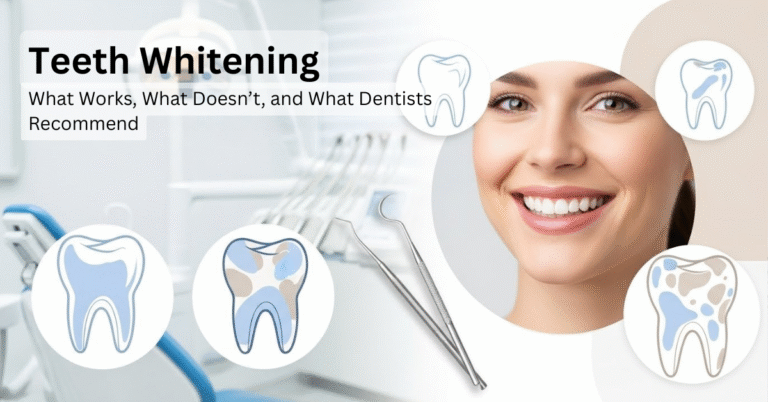
While emergency dental care addresses acute issues, regular dentists provide treatments designed to maintain oral health and prevent emergencies. Routine professional cleanings and exams remove plaque and tartar buildup, reducing the risk of cavities and gum disease. Diagnostic imaging, such as X-rays, allows dentists to detect hidden problems early, including impacted teeth or developing infections. Fillings restore teeth affected by decay, and root canals preserve natural teeth that have been damaged or infected. Crowns, bridges, and other restorative treatments repair damaged teeth and improve functionality. Preventive guidance, such as instruction on proper brushing and flossing techniques, nutritional advice, and lifestyle recommendations, empowers patients to maintain oral health at home. Cosmetic procedures, including teeth whitening, veneers, and bonding, may also be part of regular dental care, enhancing both aesthetics and patient confidence. By consistently visiting a regular dentist, patients reduce the likelihood of developing dental emergencies.
When to See an Emergency Dentist vs a Regular Dentist
Recognizing the difference between situations that require emergency dental care and those suitable for a regular dentist is essential for effective oral health management. Immediate consultation with an emergency dentist is advised for trauma, severe pain, swelling, or signs of infection. For example, a child who falls during sports and knocks out a tooth should be taken to an emergency dentist without delay, as prompt treatment can determine whether the tooth can be saved. On the other hand, mild discomfort, routine cleanings, or non-urgent cosmetic treatments can be scheduled with a regular dentist. Patients in Texas should maintain awareness of red flags, such as sudden tooth mobility, uncontrolled bleeding, or worsening pain, and seek emergency care immediately. By knowing when to consult each type of dental professional, patients avoid complications, reduce pain, and optimize treatment outcomes.
Managing Dental Emergencies at Home Before Your Visit
While emergency dental care should be sought promptly, certain measures can help manage pain and prevent further damage before professional treatment. Applying a cold compress can reduce swelling from trauma, while over-the-counter pain relievers may help manage discomfort temporarily. Rinsing the mouth with warm salt water can soothe irritation and keep the area clean, reducing infection risk. Patients should avoid chewing on damaged teeth or consuming very hot, cold, or hard foods until they are treated. It is important to note that these measures are temporary and do not replace professional care, emphasizing the need for timely dental consultation in emergency situations.
Maintaining Oral Health Between Visits
Preventive care is essential to reduce the likelihood of dental emergencies. Brushing twice daily with fluoride toothpaste, flossing regularly, and maintaining a balanced diet can help prevent decay and gum disease. Protective measures, such as wearing mouthguards during sports, can also minimize the risk of trauma. Regular visits to a general dentist in Texas ensure that minor issues are addressed before they develop into urgent problems, promoting long-term oral health and overall wellness.
Related Dental Treatments
Emergency and regular dental care are interconnected in maintaining comprehensive oral health. For example, a patient who experiences a broken tooth during an emergency may later require a crown, root canal, or implant to restore function and aesthetics. Cosmetic dentistry may follow emergency care to enhance appearance, and orthodontic or restorative treatments may be scheduled with a regular dentist to prevent further complications. Internal linking to Texas-based services provides patients with clear pathways for comprehensive dental care:
- Emergency Dentistry Service Page
- General Dentistry Service Page
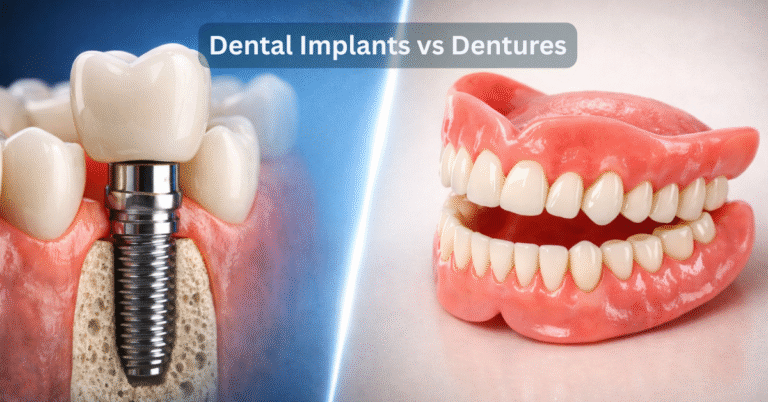
- Dental Crowns & Dentures Service Page
- Cosmetic Dentistry Service Page
Frequently Asked Questions About Emergency Dentistry
Q1: Can a regular dentist handle dental emergencies?
A: While some routine dentists can treat minor urgent issues, severe trauma, pain, or infections require specialized emergency dental care for effective intervention.
Q2: What is the cost difference between emergency and regular dental visits?
A: Emergency dental visits may involve higher fees due to the urgency, after-hours availability, and complexity of treatment. Insurance coverage can vary depending on the plan.
Q3: How quickly should I see an emergency dentist after trauma?
A: Immediate attention is advised, ideally within a few hours, especially for cases like a knocked-out tooth, severe pain, or infection risk.
Q4: Are emergency dental procedures painful?
A: Dentists use local anesthesia or sedation to ensure patient comfort during urgent treatments, minimizing pain during procedures.
Q5: How can I prevent needing emergency dental care?
A: Consistent oral hygiene, regular check-ups, wearing protective devices during sports, and promptly addressing minor dental issues significantly reduce the likelihood of emergencies.
Conclusion
Emergency dentists and regular dentists serve complementary roles in maintaining oral health in Texas. Emergency dental professionals provide immediate care for trauma, severe pain, and urgent infections, while regular dentists focus on preventive maintenance, routine treatments, and long-term oral health. Understanding the differences allows patients to seek timely care, reduce complications, and ensure their smiles remain healthy and functional. Integrating both forms of care into a dental health plan, following proper oral hygiene practices, and recognizing when urgent attention is needed supports optimal outcomes, improved confidence, and overall well-being. By combining proactive preventive visits with access to emergency care, patients can maintain a healthy, strong, and beautiful smile throughout life.