
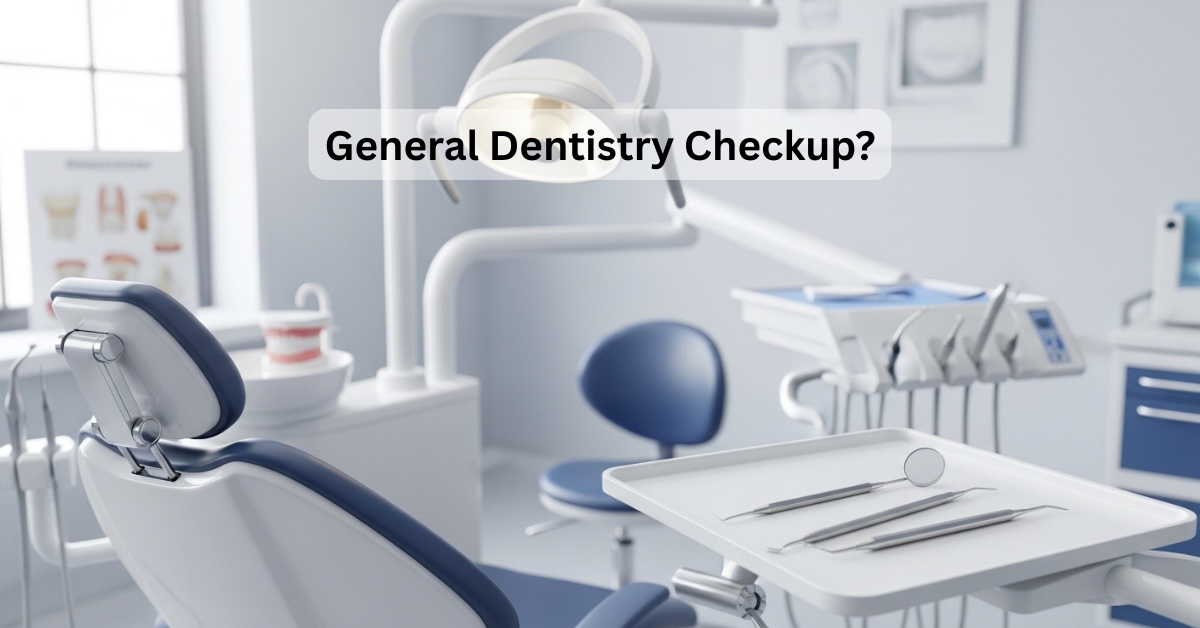
What Is Included in a General Dentistry Checkup?
What Is Included in a General Dentistry Checkup?
Introduction
Regular dental checkups are a fundamental part of maintaining long-term oral health, yet many patients in Texas are unsure about what actually happens during a routine visit. If you’ve ever wondered what is included in a general dentistry checkup, you’re not alone.
A general dentistry checkup is more than just a quick look at your teeth—it’s a comprehensive evaluation of your oral health designed to detect issues early, prevent future problems, and keep your smile healthy. These visits play a critical role in identifying concerns such as cavities, gum disease, and oral infections before they become more serious and costly to treat.
In this guide, we’ll break down everything typically included in a general dentistry checkup, explain why each step matters, and help you understand how routine visits support your overall oral health.
What Is a General Dentistry Checkup?
A general dentistry checkup is a routine dental visit focused on preventive care, diagnosis, and maintenance of oral health. It is typically recommended at regular intervals, depending on your individual dental needs.
Key Goals of a Checkup
- Detect dental issues early
- Prevent oral diseases
- Maintain healthy teeth and gums
- Provide professional cleaning
- Educate patients on oral hygiene
These visits are essential for keeping your teeth and gums in optimal condition.
Comprehensive Oral Examination
One of the most important parts of a checkup is the detailed oral exam.
What the Dentist Checks
- Tooth decay or cavities
- Gum health and signs of gum disease
- Tooth wear or damage
- Existing restorations (fillings, crowns, etc.)
- Bite alignment and jaw function
The goal is to identify any issues early and recommend appropriate treatment if needed.
Professional Teeth Cleaning
Professional cleaning is a core component of general dentistry checkups.
What Cleaning Includes
- Removal of plaque and tartar buildup
- Polishing teeth to remove surface stains
- Flossing between teeth
- Improving overall oral hygiene
Even with regular brushing and flossing, professional cleaning is necessary to remove hardened plaque that cannot be eliminated at home.
Dental X-Rays (When Needed)
Dental X-rays are used to detect problems that are not visible during a visual exam.
What X-Rays Can Reveal
- Cavities between teeth
- Bone loss
- Impacted teeth
- Hidden infections
- Structural issues
X-rays are not always taken at every visit but are used periodically based on your dental history and risk factors.
Gum Health Evaluation
Healthy gums are essential for overall oral health.
What Is Assessed
- Gum inflammation or bleeding
- Depth of gum pockets
- Signs of gum disease
- Recession of gum tissue
Early detection of gum issues helps prevent more serious conditions like periodontitis.
Oral Cancer Screening
Many general dentistry checkups include an oral cancer screening.
What the Dentist Looks For
- Unusual lumps or growths
- Discolored patches
- Sores that do not heal
- Abnormal tissue changes
This screening is quick, painless, and important for early detection.
Evaluation of Existing Dental Work
If you have previous dental treatments, your dentist will check their condition.
Includes Checking
- Fillings
- Crowns
- Bridges
- Implants
Ensuring that these restorations are functioning properly helps prevent further damage.
Bite and Jaw Assessment
Your dentist may evaluate how your teeth come together and how your jaw functions.
What Is Checked
- Bite alignment
- Signs of teeth grinding (bruxism)
- Jaw joint issues (TMJ)
These evaluations help identify issues that may lead to discomfort or long-term damage.
Personalized Oral Hygiene Recommendations
A key part of your visit includes guidance on maintaining oral health at home.
What You May Learn
- Proper brushing techniques
- Flossing methods
- Recommendations for dental products
- Dietary advice for oral health
This personalized advice helps you improve your daily oral care routine.
Preventive Treatments
Depending on your needs, your dentist may recommend additional preventive care.
Common Preventive Options
- Fluoride treatments
- Dental sealants
- Deep cleaning (if needed)
These treatments help strengthen teeth and reduce the risk of future dental problems.
How Often Should You Get a Dental Checkup?
The frequency of dental visits depends on your oral health.
General Recommendations
- Routine visits at regular intervals for most patients
- More frequent visits for patients with gum disease or ongoing issues
Your dentist will recommend a schedule based on your individual needs.
Why Regular Dental Checkups Are Important
1. Early Detection
Identifying issues early helps prevent more serious problems.
2. Preventive Care
Routine visits reduce the risk of cavities and gum disease.
3. Cost Savings
Preventive care is often more affordable than treating advanced conditions.
4. Overall Health Benefits
Oral health is closely linked to overall health and well-being.
What Happens After Your Checkup?
After your visit, your dentist may:
- Discuss findings and recommendations
- Suggest follow-up treatments if needed
- Schedule your next appointment
- Provide guidance for maintaining oral health
This ensures a clear plan for ongoing dental care.
When Should You Schedule a Checkup Sooner?
You should not wait for your next routine visit if you experience:
- Tooth pain or sensitivity
- Bleeding gums
- Persistent bad breath
- Loose or damaged teeth
- Swelling or discomfort
Early intervention can prevent more serious issues.
Related Dental Treatments
General dentistry checkups often connect with other dental services, including:
- Teeth whitening for cosmetic improvement
- Root canal treatment for infected teeth
- Dental crowns for restoration
- Emergency dental care for urgent issues
Frequently Asked Questions
Q1: What is included in a general dentistry checkup?
A checkup typically includes an oral exam, professional cleaning, gum evaluation, and sometimes X-rays to assess overall dental health.
Q2: Are dental checkups painful?
Routine checkups are generally painless, though some patients may experience mild sensitivity during cleaning.
Q3: How long does a dental checkup take?
The duration varies, but most checkups are completed within a standard appointment timeframe.
Q4: Do I need X-rays at every visit?
No, X-rays are taken as needed based on your oral health and risk factors.
Q5: Can regular checkups prevent major dental problems?
Yes, routine visits help detect and prevent issues early, reducing the risk of more serious treatments.
Conclusion
A general dentistry checkup is a comprehensive and essential part of maintaining your oral health. From professional cleaning and thorough examinations to preventive care and personalized guidance, these visits are designed to keep your teeth and gums healthy while identifying potential issues early.
Rather than waiting for symptoms to appear, regular dental checkups allow for proactive care that can save time, discomfort, and long-term costs. By staying consistent with your dental visits and following professional recommendations, you can ensure a healthier smile and better overall well-being for years to come.