
Are Dental Crowns Worth It? Benefits vs Cost Explained
Are Dental Crowns Worth It? Benefits vs Cost Explained
Introduction
Dental crowns are one of the most commonly recommended restorative treatments in modern dentistry. Whether you have a damaged tooth, severe decay, or have recently undergone a root canal, your dentist may suggest a crown to restore the tooth’s strength and appearance. Naturally, many patients ask: Are dental crowns really worth the cost?
The answer depends on several factors, including the condition of your tooth, your long-term oral health goals, and the type of crown used. While crowns are considered a moderate to high investment compared to basic treatments like fillings, they provide long-lasting protection and functional benefits that can prevent more serious dental problems in the future.
In this guide, we’ll explore what dental crowns are, how they work, their benefits and drawbacks, cost considerations in Texas, and whether they are a worthwhile investment for your oral health.
What Are Dental Crowns?
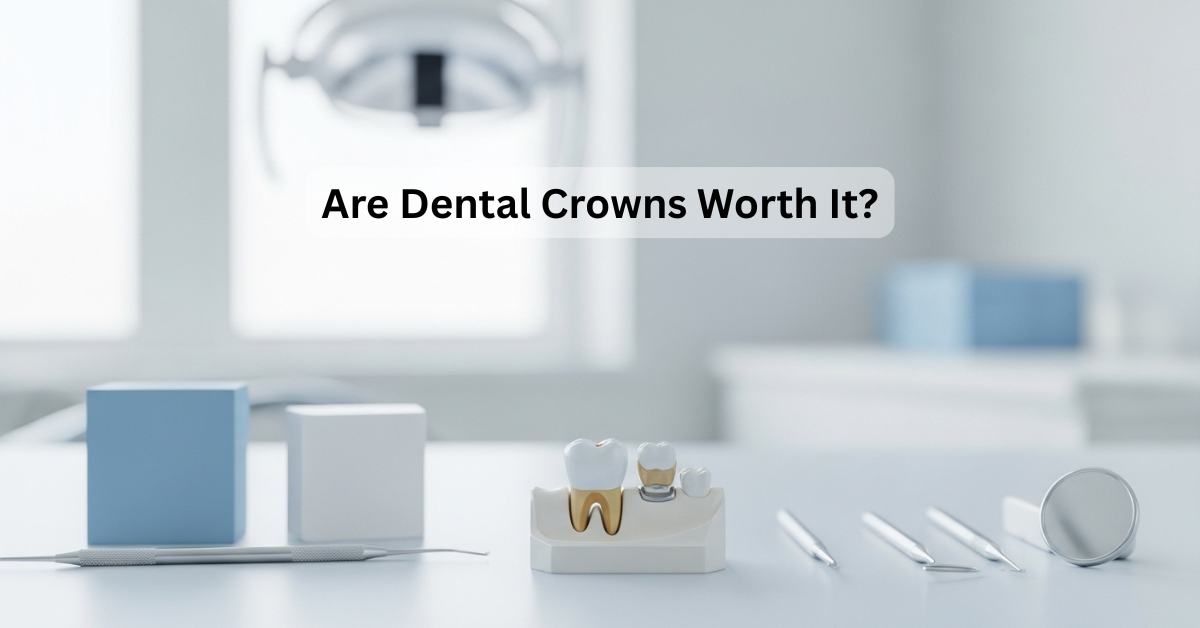
A dental crown is a custom-made cap placed over a damaged or weakened tooth to restore its shape, size, strength, and appearance. Crowns fully cover the visible portion of the tooth above the gum line.
Common Materials Used for Crowns
- Porcelain or ceramic (natural appearance)
- Metal alloys (durability)
- Porcelain-fused-to-metal (balance of strength and aesthetics)
- Zirconia (high strength with cosmetic appeal)
Each material offers different advantages depending on the location of the tooth and patient preferences.
How Do Dental Crowns Work?
The dental crown process typically involves multiple steps:
Step-by-Step Process
- Examination and diagnosis
- Tooth preparation (reshaping the tooth)
- Impression or digital scan
- Temporary crown placement
- Fabrication of the permanent crown
- Final placement and adjustment
Crowns are designed to restore function while protecting the underlying tooth from further damage.
Why Are Dental Crowns Recommended?
Dentists recommend crowns in several situations:
- To restore a severely decayed tooth
- To protect a tooth after root canal treatment
- To repair cracked or broken teeth
- To cover large fillings
- To improve the appearance of discolored or misshapen teeth
- To support dental bridges
Crowns play a critical role in preventing tooth loss and maintaining oral function.
Benefits of Dental Crowns
1. Long-Term Protection
Crowns protect weakened teeth from further damage, reducing the risk of fractures.
2. Restores Function
They allow patients to chew, bite, and speak normally without discomfort.
3. Natural Appearance
Modern crowns are designed to match the color and shape of natural teeth.
4. Durability
With proper care, crowns can last many years, making them a long-term solution.
5. Versatility
Crowns can be used in both restorative and cosmetic dentistry.
Are Dental Crowns Worth the Cost?
Dental crowns are generally considered a moderate investment in Texas, but their value goes beyond the initial cost.
Why They’re Worth It
- Prevent more expensive treatments later
- Extend the life of natural teeth
- Improve both function and aesthetics
- Reduce the risk of tooth extraction
When viewed as a long-term solution, crowns often provide significant value compared to temporary fixes.
Factors That Affect the Cost of Dental Crowns in Texas
The cost of dental crowns can vary depending on several factors:
1. Type of Material
Different materials have different durability and aesthetic qualities, which influence cost.
2. Tooth Location
Front teeth may require more aesthetic materials, while back teeth may prioritize strength.
3. Complexity of the Case
Teeth requiring additional procedures (like root canals) may increase overall cost.
4. Dentist’s Experience
Highly skilled dentists may charge more for precision and long-lasting results.
5. Laboratory Quality
Crowns created using advanced technology or high-quality labs may cost more.
Types of Dental Crowns and Their Value
Porcelain or Ceramic Crowns
- Best for front teeth
- Highly aesthetic
- Moderate cost range
Metal Crowns
- Extremely durable
- Ideal for back teeth
- Lower aesthetic appeal
Porcelain-Fused-to-Metal Crowns
- Balance between strength and appearance
- Widely used
Zirconia Crowns
- Strong and natural-looking
- Popular for both front and back teeth
- Considered a premium option
Potential Drawbacks of Dental Crowns
While crowns offer many benefits, there are some limitations:
- Require removal of some natural tooth structure
- May cause temporary sensitivity
- Can wear down over time
- May need replacement after several years
- Higher cost compared to fillings
However, these drawbacks are generally outweighed by the long-term benefits.
Dental Crowns vs Other Treatment Options
Crowns vs Fillings
- Fillings are suitable for minor damage
- Crowns are better for extensive damage
Crowns vs Veneers
- Veneers are cosmetic
- Crowns provide structural support
Crowns vs Tooth Extraction
- Crowns preserve the natural tooth
- Extraction leads to additional replacement procedures
How Long Do Dental Crowns Last?
Dental crowns can last many years or even over a decade, depending on:
- Oral hygiene habits
- Material used
- Bite pressure
- Regular dental check-ups
Proper care significantly extends the lifespan of crowns.
How to Care for Dental Crowns
1. Maintain Good Oral Hygiene
Brush and floss regularly to prevent decay around the crown.
2. Avoid Hard Foods
Excessive force can damage the crown.
3. Attend Regular Dental Check-Ups
Professional monitoring ensures long-term success.
4. Use a Mouthguard (if needed)
Protects crowns from grinding or clenching.
When Should You Consider a Dental Crown?
You may need a dental crown if you:
- Have a severely damaged or decayed tooth
- Recently had a root canal
- Want to restore tooth strength and function
- Need a long-term solution instead of temporary repairs
- Want to improve the appearance of a damaged tooth
Related Dental Treatments
Dental crowns are often part of a broader treatment plan that may include:
- Root canal treatment
- Dentures or bridges
- Cosmetic dentistry procedures
- General dental care for maintenance
Frequently Asked Questions
Q1: Are dental crowns permanent?
Dental crowns are long-lasting but may need replacement after several years depending on wear and care.
Q2: Do dental crowns look natural?
Yes, modern crowns are designed to closely match the appearance of natural teeth.
Q3: Is getting a dental crown painful?
The procedure is performed under local anesthesia, and most patients experience minimal discomfort.
Q4: Can a crowned tooth get cavities?
Yes, decay can occur at the edges of the crown if proper oral hygiene is not maintained.
Q5: Are dental crowns better than fillings?
Crowns are better for severely damaged teeth, while fillings are suitable for minor decay.
Conclusion
Dental crowns are a highly effective solution for restoring damaged teeth, offering both functional and aesthetic benefits. While they may require a moderate investment, their ability to protect natural teeth, improve chewing function, and prevent further dental complications makes them a valuable long-term option.
Rather than focusing solely on cost, it’s important to consider the durability, protection, and overall oral health benefits that crowns provide. Consulting with a qualified dental professional in Texas will help you determine whether a dental crown is the right solution for your needs and ensure the best possible outcome for your smile.