
Dental Implant Aftercare: Recovery Tips for Long-Term Success
Dental implants have become one of the most reliable and long-lasting solutions for replacing missing teeth, offering patients in Texas a permanent, natural-looking alternative to traditional dentures or bridges. These implants not only restore oral functionality but also enhance aesthetics, boost confidence, and preserve the underlying jawbone structure. While the procedure itself is highly successful, the longevity and effectiveness of dental implants largely depend on proper aftercare. Many patients often wonder what steps they should take after surgery, how to reduce the risk of complications, and how to ensure their new teeth last a lifetime. Proper recovery practices can significantly improve the success of dental implants, helping to minimize post-surgical discomfort, prevent infections, and support the process of osseointegration—the fusion of the implant with the jawbone. By following their dentist’s instructions for healing, maintaining consistent oral hygiene routines, and making lifestyle adjustments, patients can enjoy implants that function like natural teeth for decades. This article provides a comprehensive overview of dental implant aftercare for Texas patients, detailing recovery tips, daily practices, potential complications, and long-term maintenance strategies.
What Are Dental Implants?
Dental implants are artificial tooth roots, usually made from titanium, that are surgically placed into the jawbone to support crowns, bridges, or dentures. Unlike removable dentures, which can shift or slip, dental implants integrate directly with the jawbone through a process called osseointegration, creating a stable and permanent foundation for replacement teeth. This integration ensures that implants mimic the appearance and function of natural teeth, allowing patients to chew, speak, and smile confidently. Dental implants also help preserve jawbone density, prevent facial sagging, and maintain the alignment of adjacent teeth. For patients considering long-term solutions in Texas, implants offer a significant advantage over traditional dentures by combining durability with natural aesthetics.
How Does the Dental Implant Process Work?
The dental implant journey begins with an initial consultation with a qualified dentist. During this visit, the dentist evaluates oral health, takes X-rays or 3D scans, and discusses treatment options tailored to the patient’s specific needs. In some cases, damaged teeth may need to be removed before the implant placement. Once the mouth is ready, the titanium post is surgically inserted into the jawbone under local anesthesia. After placement, a healing period allows the implant to fuse with the bone, a process crucial for long-term stability. Following osseointegration, an abutment is attached to the implant, providing a connection for the final crown. The custom-made crown is then secured, completing the restoration. Each step in the process is carefully monitored to ensure optimal results. Proper aftercare during and after this procedure plays a vital role in minimizing complications and ensuring that the implant remains functional and aesthetically pleasing for years.
Why Dental Implant Aftercare Is Important
Dental implant aftercare is critical for maintaining oral health, prolonging the life of the implant, and preventing complications. Proper care ensures that the surgical site heals effectively and reduces the risk of infection or implant failure. Maintaining excellent oral hygiene and adhering to the dentist’s recommendations helps protect the surrounding teeth and gums. In addition, lifestyle factors such as avoiding smoking, moderating alcohol consumption, and following a nutrient-rich diet contribute to faster healing and long-term implant stability. Patients who diligently follow aftercare instructions typically experience less discomfort, fewer complications, and higher satisfaction with their new smile. In Texas, where access to quality dental care is readily available, patients can combine professional guidance with consistent at-home care to achieve the best outcomes.
Recovery Tips for Long-Term Success
Immediately following dental implant surgery, patients may experience minor bleeding, swelling, and discomfort, which are normal parts of the healing process. Applying gentle pressure with gauze can control bleeding, and using ice packs on the face helps reduce swelling. Pain management is typically achieved through prescribed medications, and patients are advised to avoid aspirin unless directed otherwise, as it can prolong bleeding. During the first week, a soft diet including foods like yogurt, mashed potatoes, and smoothies is recommended, allowing the implant site to heal without unnecessary pressure. Oral hygiene routines should be gentle, with care taken not to disturb the surgical site. Non-alcoholic mouth rinses help reduce bacterial growth while minimizing irritation. Physical activity should be limited initially to prevent increased blood flow, which could exacerbate swelling or bleeding.
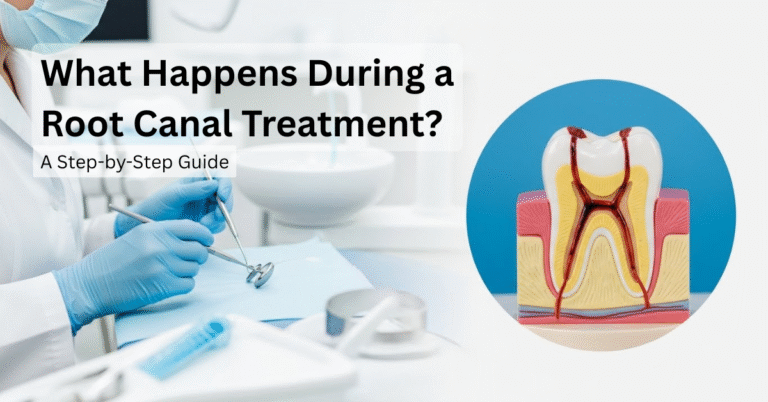
As healing progresses, the osseointegration process begins, usually lasting three to six months. This stage involves the implant fusing securely with the jawbone, creating a stable foundation for the replacement tooth. During this time, maintaining proper oral hygiene is critical, including careful brushing and flossing of surrounding teeth while avoiding excessive contact with the implant. Regular dental check-ups ensure that the healing is on track and any early signs of complications are addressed promptly. Avoiding smoking and excessive alcohol intake during this period significantly improves the chances of successful integration and long-term implant health.
Once the abutment and crown are in place, patients can resume standard oral hygiene practices while still taking precautions to avoid damaging the implant. Routine professional cleanings every six months are recommended to maintain the health of the implant and surrounding teeth. Incorporating related dental treatments, such as cosmetic procedures or crowns, can further enhance the functionality and appearance of dental implants. Consistent care, combined with professional oversight, is essential for ensuring that the implants remain durable, stable, and aesthetically pleasing.
Common Complications and How to Avoid Them
Although dental implants boast high success rates, potential complications can occur if aftercare is neglected. Infection at the implant site, peri-implantitis (inflammation around the implant), gum recession, or implant loosening are possible issues. Patients should be vigilant for persistent pain, swelling, or signs of infection such as discharge or foul odor, and consult their dentist immediately if these occur. Maintaining excellent oral hygiene, attending regular follow-up visits, and adhering to lifestyle recommendations can prevent most complications. Additionally, avoiding hard or sticky foods and following a soft diet during the early recovery period reduces the risk of damage to the implant or crown. In Texas, timely access to experienced dental professionals ensures that any issues can be managed efficiently, supporting long-term implant success.
Lifestyle Considerations for Healthy Implants
Long-term dental implant success relies on more than just immediate post-surgical care. Lifestyle choices, including diet, oral hygiene, and habits like smoking, directly affect the longevity of the implants. Consuming a balanced diet rich in vitamins and minerals supports tissue healing and oral health. Hydration is also important, particularly in dry climates common in Texas, to maintain healthy oral tissues. Patients should practice gentle but consistent brushing and flossing, avoiding excessive pressure on the implant site. Using non-alcoholic mouth rinses reduces bacterial buildup, while regular visits to a local dentist ensure that any changes in implant health are detected early.
Patients with multiple implants or full-mouth restorations require particularly careful attention. Monitoring alignment, chewing patterns, and overall oral health is crucial, as imbalances or gum issues can compromise implant stability. Those with medical conditions such as diabetes may require additional follow-up to support optimal healing. By combining professional guidance with diligent at-home care, patients can prevent long-term complications and ensure the functional and aesthetic success of their implants.
Related Dental Treatments
Dental implants are often complemented by other dental treatments to optimize oral health and cosmetic outcomes. Cosmetic dentistry procedures like veneers, bonding, and teeth whitening can enhance the appearance of implants, creating a cohesive smile. Dentures and crowns, when combined with implant-supported solutions, provide additional stability and improve chewing efficiency. Preventive general dentistry care ensures the health of surrounding teeth and gums, which is critical for long-term implant success. Incorporating these complementary services into a patient’s overall dental plan in Texas maximizes both aesthetic and functional benefits, ensuring a confident, healthy smile.
Frequently Asked Questions About Dental Implant Aftercare
Q1: How long does it take to recover from dental implant surgery?
The initial healing period usually lasts one to two weeks, while full osseointegration can take three to six months, depending on individual health factors and implant location.
Q2: Can I eat normally after getting dental implants?
During the first days post-surgery, a soft diet is recommended. Gradually, patients can reintroduce solid foods once healing is confirmed by their dentist. Hard or sticky foods should be avoided initially.
Q3: How often should I visit my dentist after implant surgery?
Follow-up visits are typically scheduled every one to two weeks during initial healing, then every three to six months for long-term monitoring and professional cleanings.
Q4: Can smoking affect dental implant healing?
Yes, smoking slows the healing process and increases the risk of implant failure. Avoiding smoking for several weeks after surgery is strongly recommended.
Q5: What should I do if my implant shows signs of infection?
Contact your dentist immediately if persistent pain, swelling, or discharge occurs. Early intervention can prevent implant failure and promote successful recovery.
Conclusion
Dental implant aftercare is essential for ensuring the longevity, stability, and aesthetic appeal of your new teeth. By following post-surgical guidelines, maintaining excellent oral hygiene, attending regular dental check-ups, and making smart lifestyle choices, patients in Texas can enjoy implants that last decades or even a lifetime. Understanding the recovery process, being proactive about potential complications, and integrating complementary dental treatments helps protect both oral health and appearance. Dental implants are a durable and reliable solution for tooth replacement, and proper aftercare ensures that patients can enjoy a healthy, confident smile for years to come.