
Invisalign for Adults: Is It Ever Too Late?
Many adults in Texas consider straightening their teeth but wonder if they are “too old” for orthodontic treatment. Traditionally, braces were associated with children and teenagers, leaving adults hesitant about the prospect of realigning their teeth. However, modern dentistry has transformed orthodontic care with solutions like Invisalign, a clear aligner system designed to discreetly and effectively straighten teeth. Invisalign offers a flexible, comfortable alternative to traditional metal braces, making it accessible for adults who want to improve their smile without drawing attention. Understanding how Invisalign works for adults, the factors that affect treatment outcomes, and the benefits of starting treatment later in life can help patients make informed decisions and regain confidence in their smile.
What Is Invisalign?
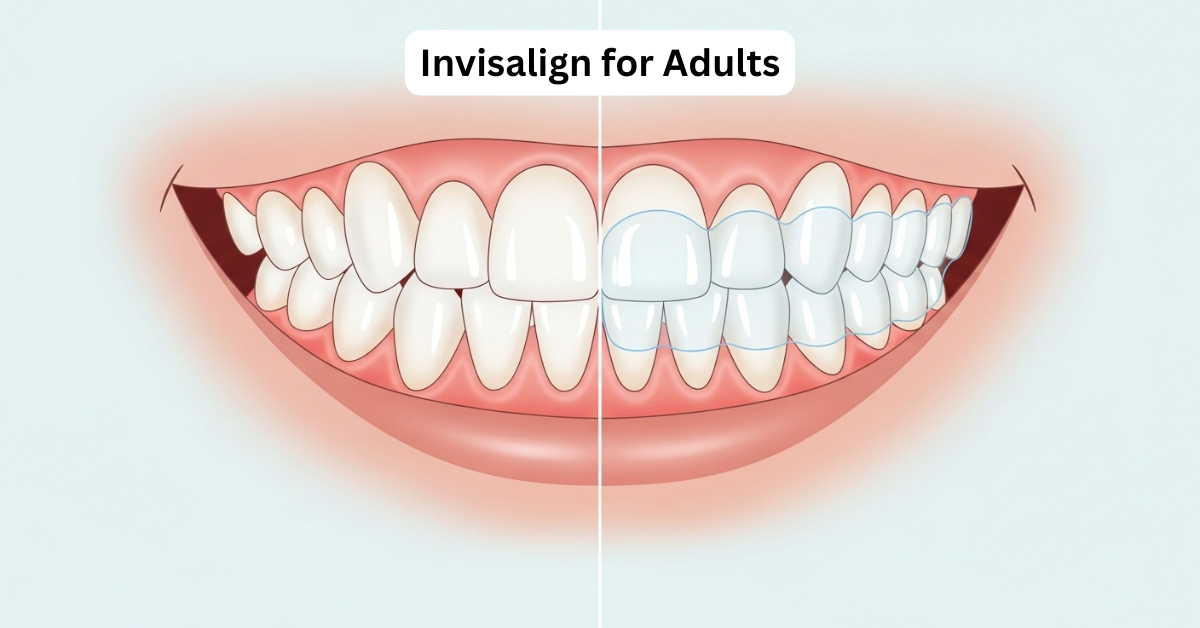
Invisalign is an orthodontic treatment system that uses a series of custom-made, clear plastic aligners to gradually move teeth into their desired positions. Unlike traditional braces that rely on brackets and wires, Invisalign is nearly invisible and removable, providing convenience for adults with busy lifestyles. Each aligner is designed to apply gentle, targeted pressure to specific teeth, progressing through a sequence that realigns the bite and corrects misalignment. Invisalign is FDA-approved and clinically proven to treat a variety of orthodontic issues, including crowding, gaps, overbites, underbites, and crossbites. Patients in Texas benefit from expert providers who customize treatment plans for individual dental structures, ensuring effective and predictable results.
How Invisalign Works for Adults
Invisalign treatment begins with a comprehensive evaluation by a licensed orthodontist or dentist. The process typically includes dental X-rays, 3D imaging, and impressions or scans of the patient’s teeth. Using these images, a digital treatment plan is developed, mapping out the movement of each tooth over time. Patients receive a series of aligners, typically worn for one to two weeks each, gradually guiding the teeth into their ideal positions. Aligners are removable for eating, brushing, and flossing, which makes maintaining oral hygiene simpler compared to traditional braces. Regular check-ups with the provider ensure the treatment is progressing as planned. While the treatment timeline varies depending on complexity, most adults achieve significant results within 12 to 24 months, with some minor adjustments possible after the initial sequence.
Is It Ever Too Late for Invisalign?
One of the most common questions among adult patients is whether there is an age limit for Invisalign. The answer is generally no. As long as the patient has healthy gums and sufficient bone structure to support tooth movement, Invisalign can be effective regardless of age. Adults may face slightly longer treatment times compared to adolescents due to denser bone and established dental habits, but the benefits often outweigh the inconvenience. Patients with previous dental work, such as crowns or implants, can still pursue Invisalign, though treatment may require additional planning. Early consultation with a qualified provider in Texas is key to determining suitability and creating a realistic treatment timeline.
Benefits of Invisalign for Adults
Invisalign offers numerous advantages for adult patients, particularly those concerned about aesthetics, comfort, and lifestyle:
- Discreet Appearance: Clear aligners are virtually invisible, making them ideal for professional or social settings.
- Comfort: Smooth plastic aligners reduce irritation to gums and cheeks compared to metal brackets.
- Removability: Patients can eat, drink, brush, and floss without restrictions.
- Predictable Results: Advanced digital planning provides a clear roadmap for tooth movement.
- Improved Oral Hygiene: Easier cleaning compared to traditional braces reduces the risk of cavities and gum disease during treatment.
- Boosted Confidence: Straighter teeth enhance self-esteem, social interactions, and professional appearance.
These benefits make Invisalign an appealing choice for adults in Texas seeking functional and cosmetic improvements without the drawbacks of traditional braces.
Common Situations Where Invisalign Is Effective
Invisalign is suitable for a variety of dental conditions commonly encountered by adults:
- Crowded Teeth: Aligners create space to properly align overlapping teeth.
- Gaps Between Teeth: Close spaces for a uniform, aesthetically pleasing smile.
- Overbite / Underbite Correction: Adjusts jaw alignment for improved function and appearance.
- Crossbite: Aligns teeth that bite inward or outward incorrectly.
- Relapse After Braces: Adults who had braces as teens can correct shifts in alignment.
While Invisalign is highly versatile, more severe cases may require adjunctive orthodontic treatment or traditional braces. A consultation in Texas ensures the chosen approach matches the patient’s needs.
Tips for Adults Considering Invisalign
For adults pursuing Invisalign treatment, several practical considerations improve outcomes and ease the process:
- Consistency is Key: Aligners should be worn 20–22 hours per day for optimal results.
- Maintain Oral Hygiene: Brush and floss after every meal to prevent plaque accumulation.
- Attend Regular Check-Ups: Scheduled visits help monitor progress and make adjustments.
- Manage Diet and Habits: Remove aligners before eating or drinking anything other than water.
- Follow Instructions: Each aligner must be worn for the prescribed duration to ensure treatment accuracy.
By adhering to these guidelines, adult patients maximize the efficiency and effectiveness of their Invisalign treatment.
Potential Challenges for Adult Patients
While Invisalign is an excellent option, adult patients should be aware of certain challenges:
- Longer Treatment Times: Adults may require more time due to bone density and established habits.
- Compliance Required: Removable aligners rely on patient commitment; failure to wear them as prescribed can delay results.
- Cost Considerations: Invisalign can be more expensive than traditional braces, but payment plans are often available.
- Complex Cases: Severe malocclusions or significant bite issues may necessitate supplementary orthodontic methods.
Understanding these challenges allows patients to approach treatment realistically and collaborate effectively with their dental provider.
Invisalign and Oral Health
Beyond aesthetic improvements, Invisalign positively impacts overall oral health. Straighter teeth are easier to clean, reducing the risk of cavities, gum disease, and plaque buildup. Proper alignment can also improve bite function, preventing jaw strain and uneven wear on teeth. Adult patients in Texas benefit from combining Invisalign with regular general dentistry check-ups to monitor oral health, maintain healthy gums, and ensure long-term results from orthodontic treatment.
Related Dental Treatments
Invisalign treatment often complements other dental services. Cosmetic dentistry procedures, such as veneers, bonding, or teeth whitening, enhance the visual results of a newly aligned smile. General dentistry services, including regular cleanings and preventive care, support oral health during orthodontic treatment. In some cases, restorative treatments like crowns or dental implants may be planned in conjunction with Invisalign to achieve both functional and aesthetic goals. Internal linking to these services provides patients with comprehensive guidance and encourages continuity of care in Texas dental practices.
Frequently Asked Questions About Invisalign for Adults
Q1: Can Invisalign correct severe orthodontic issues in adults?
A: Invisalign is effective for mild to moderate crowding, gaps, and bite misalignments. Severe cases may require additional orthodontic treatments or combined methods.
Q2: Does age affect Invisalign treatment results?
A: Age alone is not a limiting factor. Healthy gums and sufficient bone structure are more important determinants of success.
Q3: How long does Invisalign treatment take for adults?
A: Treatment typically ranges from 12 to 24 months, depending on complexity. Minor adjustments may extend this timeline slightly.
Q4: Are Invisalign aligners uncomfortable?
A: Some initial pressure or tightness is normal as teeth move, but discomfort is usually mild and temporary. Smooth plastic design minimizes irritation.
Q5: Can I continue my normal diet while using Invisalign?
A: Yes. Aligners are removable, allowing patients to eat normally. It’s important to remove aligners before meals and maintain oral hygiene afterward.
Conclusion
Invisalign provides a flexible, discreet, and effective solution for adults seeking to straighten their teeth, regardless of age. Modern dental practices in Texas recognize that orthodontic treatment for adults can improve both aesthetics and oral health, offering options tailored to busy lifestyles and personal preferences. By understanding how Invisalign works, the benefits it provides, and the factors influencing treatment outcomes, adults can make informed decisions about improving their smile. With commitment, proper care, and professional guidance, it is never too late to achieve the straight, confident smile you’ve always wanted.