
Root Canal vs Tooth Extraction: What’s the Better Option?
Root Canal vs Tooth Extraction: What’s the Better Option?
Introduction
When a tooth becomes severely damaged or infected, patients are often faced with a difficult decision: should you save the tooth with a root canal or remove it through extraction? Both treatments are common in modern dentistry, and each has its own benefits, limitations, and long-term implications for your oral health.
Many people assume that extraction is the simpler solution, while others fear root canal treatment due to misconceptions about pain. In reality, both procedures serve important purposes, and choosing the right one depends on factors such as the extent of the damage, your overall oral health, cost considerations, and long-term dental goals.
In this comprehensive guide, we’ll compare root canal treatment and tooth extraction in detail—explaining how each procedure works, their pros and cons, cost considerations, and when each option is recommended. By understanding the differences, you’ll be better equipped to make an informed decision that protects your oral health and preserves your smile.
What Is a Root Canal Treatment?
A root canal is a dental procedure designed to save a severely infected or damaged tooth by removing infected pulp from inside the tooth and sealing it to prevent further infection.
Key Features of Root Canal Treatment
- Removes infection from inside the tooth
- Preserves the natural tooth structure
- Prevents spread of infection
- Typically followed by a crown for protection
- Restores normal function and appearance
This treatment allows patients to keep their natural tooth rather than replacing it.
What Is Tooth Extraction?
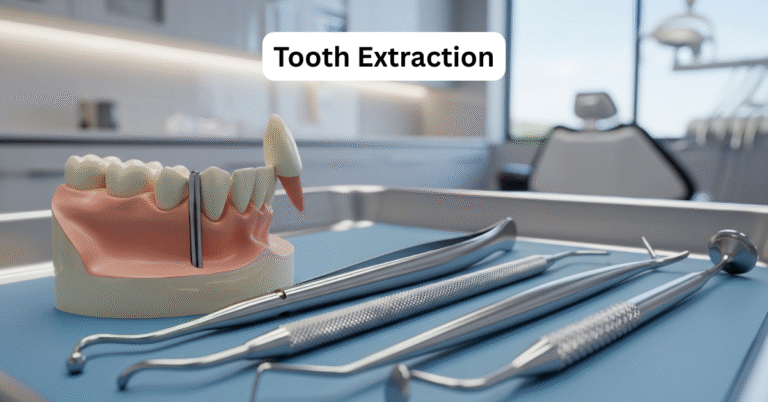
Tooth extraction involves removing a tooth completely from its socket in the jawbone. It is typically recommended when a tooth is too damaged or decayed to be repaired.
Types of Tooth Extraction
- Simple Extraction: Performed on visible teeth
- Surgical Extraction: Required for impacted or broken teeth
After extraction, the missing tooth often needs to be replaced with options such as implants, bridges, or dentures.
How Do Root Canal and Extraction Work?
Root Canal Procedure
- Examination and X-rays
- Local anesthesia administered
- Removal of infected pulp
- Cleaning and disinfecting the canal
- Filling and sealing the tooth
- Placement of a crown for strength
Tooth Extraction Procedure
- Examination and imaging
- Local anesthesia or sedation
- Loosening and removal of the tooth
- Cleaning of the socket
- Healing period (with possible replacement planning)
The primary difference is tooth preservation vs removal.
Advantages of Root Canal Treatment
1. Preserves Natural Tooth
Keeping your natural tooth helps maintain proper alignment and bite.
2. Maintains Jawbone Structure
Natural teeth stimulate the jawbone, preventing bone loss.
3. Better Long-Term Oral Health
Preserving the tooth reduces the need for additional treatments.
4. Natural Appearance
With a crown, the treated tooth looks and functions like a natural tooth.
5. Efficient Pain Relief
Root canals eliminate infection and relieve pain caused by inflammation.
Disadvantages of Root Canal
- May require multiple visits
- Slight risk of reinfection if not properly restored
- Higher upfront cost compared to extraction
- Requires a crown for long-term durability
Advantages of Tooth Extraction
1. Removes Severe Infection Completely
Extraction eliminates the source of infection quickly.
2. Lower Initial Cost
Generally more affordable than root canal treatment.
3. Simpler Procedure
In many cases, extraction is faster and less complex.
4. Immediate Solution
Provides quick relief when a tooth cannot be saved.
Disadvantages of Tooth Extraction
- Permanent loss of natural tooth
- Bone loss over time
- Adjacent teeth may shift
- Requires replacement (implant, bridge, or denture)
- Additional long-term costs
Which Option Is Better for You?
The better option depends on your specific dental condition and goals.
1. Severity of Damage
If the tooth can be restored, a root canal is usually preferred.
2. Infection Level
Severe infections that compromise the tooth structure may require extraction.
3. Long-Term Goals
Preserving natural teeth is typically better for long-term oral health.
4. Budget Considerations
Extraction may cost less initially, but replacement increases total cost.
5. Overall Oral Health
Healthy surrounding teeth and gums improve the success of a root canal.
When Should You Choose a Root Canal?
You may consider a root canal if you:
- Have a deeply decayed or infected tooth
- Want to preserve your natural tooth
- Have sufficient tooth structure remaining
- Prefer a long-term solution
- Want to avoid tooth replacement procedures
When Should You Choose Tooth Extraction?
Extraction may be necessary if you:
- Have a severely damaged or fractured tooth
- Experience advanced gum disease affecting the tooth
- Have insufficient structure to support restoration
- Need to prevent the spread of infection
- Are planning orthodontic treatment requiring space
What Happens After Tooth Extraction?
After extraction, replacing the missing tooth is highly recommended to prevent complications such as shifting teeth and bone loss.
Common Replacement Options
- Dental implants
- Dental bridges
- Dentures
Without replacement, long-term oral health can be compromised.
Can a Root Canal Fail?
While root canal treatments are highly successful, failure can occur due to reinfection, missed canals, or improper restoration. In such cases, retreatment or extraction may be required.
Related Dental Treatments
Both procedures are often connected to broader dental care plans, including:
- Dental implants for tooth replacement
- Crowns for restoring treated teeth
- General dentistry for preventive care
- Emergency dentistry for urgent situations
Frequently Asked Questions
Q1: Is a root canal better than extraction?
In most cases, saving the natural tooth with a root canal is preferred for long-term oral health.
Q2: Does a root canal hurt?
Modern root canal procedures are performed under anesthesia and are generally no more painful than a filling.
Q3: How long does recovery take after extraction?
Recovery usually takes a few days to a week, depending on the complexity of the extraction.
Q4: Can I leave a gap after extraction?
It’s not recommended, as gaps can lead to shifting teeth and bone loss over time.
Q5: How long does a root canal last?
With proper care and a crown, a root canal-treated tooth can last many years or even a lifetime.
Conclusion
Choosing between a root canal and tooth extraction is a significant decision that can impact your long-term oral health. While extraction may seem like a quicker and less expensive solution initially, it often leads to additional procedures and costs in the future. Root canal treatment, on the other hand, allows you to preserve your natural tooth, maintain jawbone health, and avoid the need for replacements.
Ultimately, the best option depends on the condition of your tooth, your oral health goals, and professional dental advice. Consulting with a qualified dentist will help you determine the most appropriate treatment plan to restore comfort, function, and confidence in your smile.