
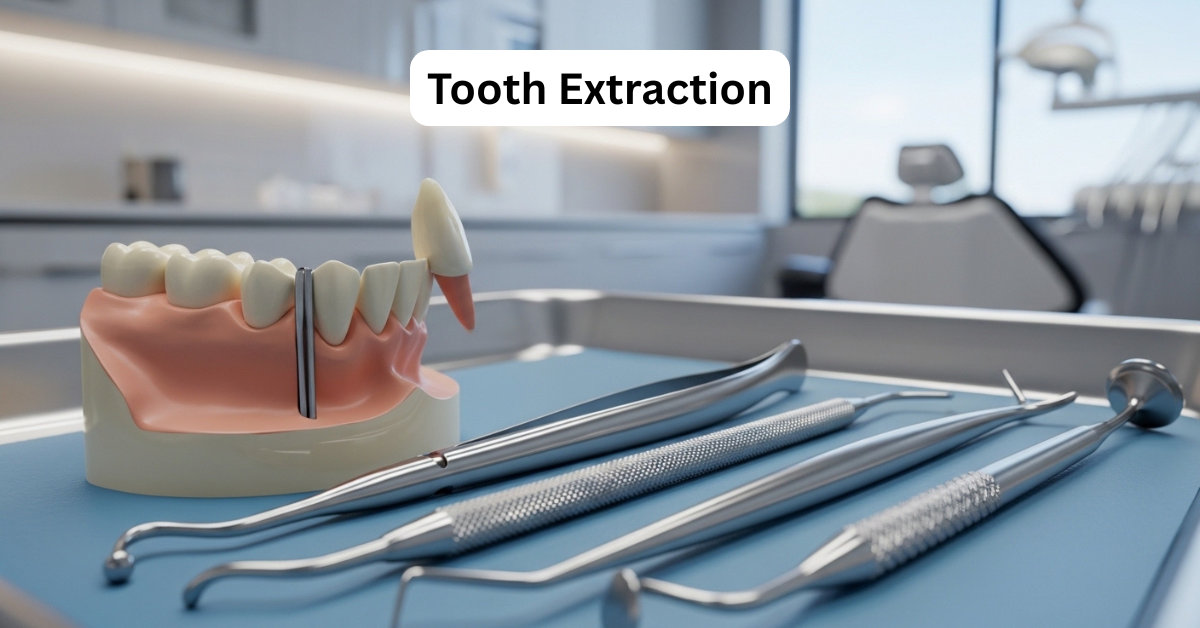
When Is Tooth Extraction Necessary?
Tooth extraction is a common dental procedure that involves removing a tooth from its socket in the jaw. While most patients in Texas aim to preserve their natural teeth through preventive and restorative care, there are situations where extraction becomes the most practical or necessary solution. Understanding the circumstances that lead to tooth extraction, the procedure itself, and the subsequent aftercare is essential for maintaining oral health and preventing complications. Many patients often wonder if extraction is avoidable, what the recovery process entails, and how it may affect their overall dental structure. Dentists in Texas emphasize that while modern dentistry offers alternatives such as root canal therapy, dental implants, and crowns, there are cases where extraction provides the most predictable outcome. This guide explores the various reasons for tooth extraction, the procedural steps, recovery strategies, and long-term considerations to help patients make informed decisions for their oral health.
What Is Tooth Extraction?
Tooth extraction is the process of removing a tooth from the dental alveolus, or socket, in the bone. There are two main types of extractions: simple and surgical. Simple extractions are performed on teeth visible above the gum line and can be completed with basic dental instruments under local anesthesia. Surgical extractions are more complex, often involving impacted teeth, broken teeth, or teeth that have not fully erupted. In such cases, the dentist or oral surgeon may need to make an incision in the gum, remove bone, or divide the tooth for safer removal. Tooth extraction is not a decision taken lightly; it is considered after careful evaluation of the patient’s oral condition, overall health, and potential alternatives. Modern techniques ensure that extractions are performed safely, with minimal discomfort and risk, while preparing the patient for either natural healing or restorative procedures, such as dental implants or bridges.
Why Tooth Extraction Might Be Necessary
There are several scenarios where tooth extraction becomes necessary. Severe tooth decay is a leading cause, especially when the decay has damaged the structure beyond repair or threatens to infect adjacent teeth. Advanced periodontal disease can also compromise the supporting bone and tissue, making extraction the safest option. Impacted teeth, particularly wisdom teeth, may not have enough space to erupt properly, causing pain, misalignment, or infection, all of which often require removal. Additionally, teeth may need to be extracted as part of orthodontic treatment to make space for proper alignment. Trauma from accidents, fractures, or sports injuries may also necessitate extraction when a tooth cannot be restored. Finally, in cases where a tooth has undergone multiple failed restorative treatments, extraction can prevent further complications, alleviate pain, and allow for more predictable long-term dental solutions. Dentists in Texas typically evaluate each situation individually, taking X-rays, clinical examination, and patient health into consideration before recommending extraction.
How the Tooth Extraction Process Works
The tooth extraction process begins with a thorough examination and consultation with your dentist. This may include digital X-rays to assess the tooth’s roots, surrounding bone, and potential complications. For simple extractions, the dentist administers local anesthesia to numb the area, ensuring the patient experiences minimal discomfort. The dentist then loosens the tooth using specialized instruments and removes it carefully. In surgical extractions, especially for impacted or broken teeth, the procedure may involve making an incision in the gum, removing bone, or sectioning the tooth for safer removal. Following extraction, the dentist places gauze over the site to control bleeding and promotes the formation of a blood clot, which is essential for proper healing. Post-operative instructions typically include managing pain, reducing swelling with ice packs, eating soft foods, and maintaining oral hygiene without disturbing the extraction site. Recovery is closely monitored to prevent complications such as dry socket or infection, ensuring a smooth healing process for patients in Texas and beyond.
When Extraction Is the Best Option vs. Alternative Treatments
While extraction is sometimes unavoidable, dentists evaluate less invasive alternatives first. Root canal therapy, for instance, can save a severely decayed or infected tooth by removing the damaged pulp and sealing the tooth, maintaining its structure and function. Crowns can restore strength and aesthetics to fractured teeth. Orthodontic solutions may address misalignment issues without removing teeth. However, when decay or infection is extensive, bone support is compromised, or a tooth is severely damaged or impacted, extraction becomes the most reliable solution. Removing the tooth in such cases not only alleviates pain but also prevents the spread of infection, protects adjacent teeth, and provides a clear foundation for future restorative procedures like dental implants, bridges, or dentures. Patients in Texas often benefit from a comprehensive treatment plan that balances tooth preservation with long-term oral health outcomes.
Recovery After Tooth Extraction
Proper aftercare following tooth extraction is crucial for healing and preventing complications. Immediately after the procedure, patients are advised to bite gently on gauze to stop bleeding and promote clot formation. Swelling is normal and can be managed with ice packs applied externally. Pain is typically controlled with prescribed medications or over-the-counter options recommended by the dentist. Maintaining a soft diet, avoiding alcohol or smoking, and refraining from strenuous physical activity help facilitate recovery. Oral hygiene should be gentle around the extraction site to prevent dislodging the clot, which could result in a dry socket—a painful condition delaying healing. Regular follow-up appointments ensure that the extraction site is healing properly and allow the dentist to plan any necessary restorative procedures, such as a dental implant to replace the missing tooth.
Potential Complications and How to Avoid Them
Although tooth extraction is generally safe, potential complications can arise without proper care. Infection is a risk if the extraction site is not kept clean, while dry socket may occur if the blood clot is dislodged. Swelling, bruising, and minor bleeding are expected but should gradually decrease. Patients with chronic conditions like diabetes, or those taking certain medications, may experience delayed healing. To minimize risks, it is essential to follow the dentist’s instructions precisely, attend all follow-up appointments, and maintain a healthy lifestyle. Using non-alcoholic mouth rinses and gentle oral hygiene techniques can prevent bacterial buildup while protecting the extraction site. Early recognition of unusual symptoms such as severe pain, persistent bleeding, or fever should prompt immediate consultation with the dentist.
Long-Term Considerations After Extraction
After healing, patients should consider options to restore functionality and aesthetics. Leaving a tooth gap untreated can lead to shifting of adjacent teeth, bite misalignment, and changes in facial structure. Restorative solutions include dental implants, bridges, or partial dentures, which can prevent these complications and provide a natural appearance. Maintaining oral hygiene and regular dental check-ups are essential to protect surrounding teeth and gums, especially after an extraction. In Texas, access to experienced dentists ensures that patients can receive tailored restorative plans, addressing both functional and cosmetic concerns. Long-term planning also considers lifestyle, diet, and overall health to ensure that tooth replacement procedures integrate seamlessly with the patient’s oral health strategy.
Related Dental Treatments
Tooth extraction is often part of a broader treatment plan to improve oral health. Dental implants are commonly recommended post-extraction to provide a permanent replacement solution. Cosmetic dentistry, including veneers, bonding, and whitening, may enhance the overall appearance of the smile after restorative treatments. Orthodontic care can align teeth properly if extractions were necessary to create space. Preventive general dentistry services ensure that the remaining teeth and gums remain healthy, reducing the likelihood of future extractions. Coordinating these treatments in a comprehensive care plan ensures the best functional and aesthetic outcomes for patients in Texas.
Frequently Asked Questions About Tooth Extraction
Q1: Is tooth extraction painful?
A: Modern anesthesia and sedation techniques minimize pain during the procedure. Post-operative discomfort can be managed with prescribed or over-the-counter pain medications.
Q2: How long does it take to recover from a tooth extraction?
A: Initial healing typically takes one to two weeks, while complete bone healing may take several months. Proper aftercare accelerates recovery and prevents complications.
Q3: Can all teeth be extracted if necessary?
A: Most teeth can be safely extracted, though impacted wisdom teeth or severely broken teeth may require surgical extraction. Your dentist evaluates each case individually.
Q4: What should I eat after a tooth extraction?
A: Soft foods such as yogurt, mashed potatoes, smoothies, and soups are recommended initially. Gradually, normal foods can be reintroduced as healing progresses.
Q5: Do I need to replace an extracted tooth?
A: Yes, replacing a missing tooth is recommended to maintain bite alignment, chewing function, and aesthetic appearance. Options include implants, bridges, or dentures.
Conclusion
Tooth extraction is sometimes a necessary step in maintaining overall oral health, particularly when decay, infection, trauma, or misalignment compromise the function of a tooth. Understanding the indications for extraction, the procedural steps, recovery strategies, and long-term maintenance helps patients make informed decisions about their oral care. Proper aftercare and timely restorative solutions such as dental implants or bridges can prevent complications, preserve jawbone structure, and maintain a confident, healthy smile. Patients in Texas can rely on experienced dental professionals to guide them through extraction and recovery, ensuring both comfort and optimal long-term outcomes.