
How to Know If You Have a Dental Emergency
How to Know If You Have a Dental Emergency
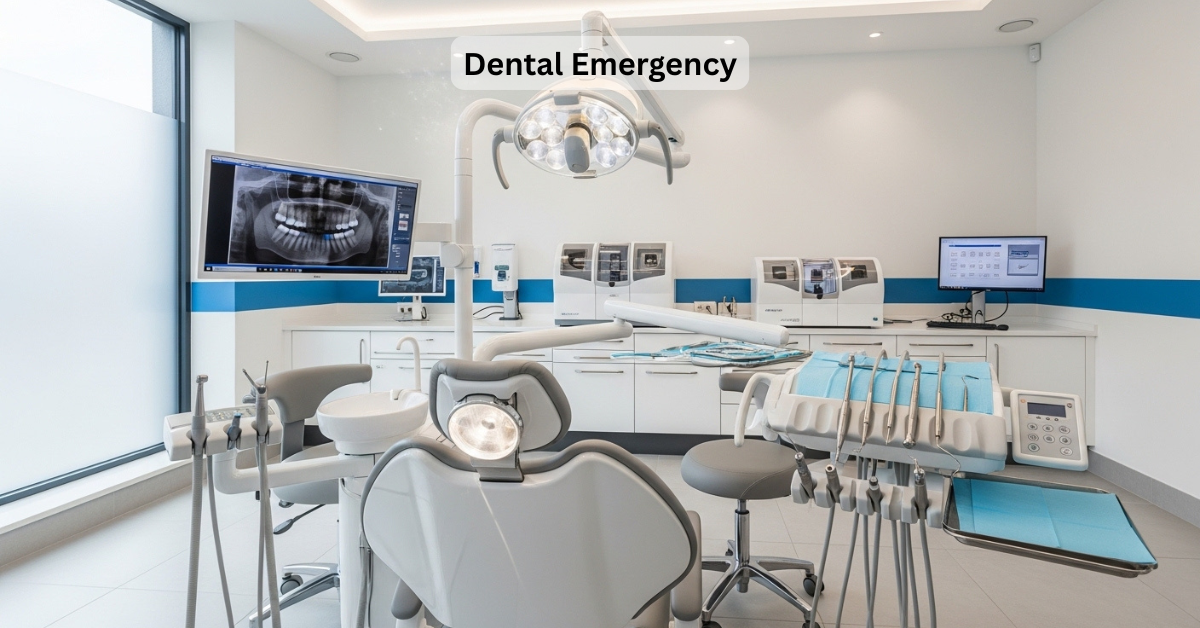
A lot of dental problems feel urgent in the moment, especially when pain is involved. But not every dental issue is a true emergency — and not every emergency looks dramatic right away. Sometimes it is obvious, like a tooth getting knocked out during sports or a mouth injury that will not stop bleeding. Other times, the warning signs are more subtle: swelling around a tooth, a pimple on the gums, pain that keeps getting worse, or facial swelling that starts small and spreads. The American Dental Association says true dental emergencies are potentially life-threatening and need immediate treatment to stop uncontrolled bleeding, severe infection, or trauma that may compromise the airway. Cleveland Clinic also notes that dental emergencies include uncontrolled bleeding, severe pain, broken facial bones, knocked-out teeth, badly cracked teeth, abscesses with facial or jaw swelling, and major soft-tissue injuries.
That matters because knowing the difference between a routine problem, an urgent dental issue, and a full emergency can help you act faster and more safely. A badly broken tooth may need same-day dental care. A knocked-out adult tooth can sometimes be saved if treated quickly. A swelling or infection that affects the face, jaw, breathing, or swallowing should not be handled as “just wait until Monday.” Mayo Clinic and Cleveland Clinic both connect severe swelling, fever, worsening pain, and trouble swallowing or breathing with urgent or emergency care.
For your January 2026 blog batch, this topic is especially valuable because it supports Emergency Dentistry, Root Canal Treatment, General Dentistry, Dental Implants, and Dentures & Crowns in a natural, high-intent way. It also matches exactly how real people search: they do not always search for a procedure first — they search for symptoms, urgency, and what they should do next.
What Counts as a Dental Emergency?
A true dental emergency is generally a situation where waiting could increase the risk of serious infection, uncontrolled bleeding, airway problems, or loss of a tooth that might still be saved. The ADA states that dental emergencies are potentially life-threatening and require immediate treatment to stop ongoing tissue bleeding, relieve severe pain or infection, or manage facial trauma that could affect the airway. Its emergency guidance specifically lists uncontrolled bleeding, diffuse soft tissue bacterial infection with swelling that could compromise the airway, and facial bone trauma as emergency situations.
Cleveland Clinic gives a practical list that many patients will recognize more easily. It includes severe toothache, a badly cracked tooth, a knocked-out tooth, a partially dislodged tooth, a dental abscess with facial or jaw swelling, lost or broken restorations that are causing significant pain, and serious soft-tissue injuries like a deep cut inside the mouth. The key idea is not just “Does it hurt?” but “Could waiting make this much worse?”
Dental Emergency vs Urgent Dental Problem
Not every problem needs the emergency room, but some issues still need prompt dental treatment. The ADA separates dental emergencies from urgent dental care. In its guidance, urgent dental care includes severe dental pain from pulpal inflammation, pericoronitis or third-molar pain, dry socket dressing changes, localized abscesses with pain and swelling, tooth fractures that cause pain or soft tissue trauma, dental trauma involving avulsion or luxation, and broken temporary restorations that are causing pain or irritation.
That means a problem can be urgent even if it is not yet life-threatening. A broken filling that suddenly exposes a sensitive tooth, a swelling limited to one area, a painful cracked tooth, or a loose adult tooth after trauma may not always require 911-level care, but they still should not be ignored. Cleveland Clinic’s dental trauma guidance says some injuries, like a slightly chipped tooth, can wait for a scheduled visit, but a knocked-out tooth or broken jaw needs immediate treatment.
1. Severe Tooth Pain That Does Not Calm Down
A strong toothache is one of the biggest clues that you may need urgent or emergency dental care. The ADA includes severe dental pain from pulpal inflammation in its urgent dental care list. Cleveland Clinic lists severe toothache as one of the most common dental emergencies, and its toothache guidance says you should go to the emergency room if you have unbearable tooth pain that does not get better with medication, especially if it is paired with swelling or fever.
Pain like this often means more than simple sensitivity. It may point to deep decay, pulp inflammation, infection, or pressure building inside the tooth. Mayo Clinic’s first-aid guidance says to contact a dentist if tooth pain lasts more than a day or two, or if it comes with fever, swelling, pain when biting, red gums, or foul-tasting discharge. In other words, pain becomes a stronger emergency signal when it is intense, persistent, worsening, or tied to swelling or infection signs.
2. A Knocked-Out Adult Tooth
A knocked-out adult tooth is one of the clearest dental emergencies because time matters. NHS guidance says a knocked-out tooth should be handled right away and that you should seek an emergency dental appointment. Cleveland Clinic says an avulsed tooth is a dental emergency and that teeth treated within 30 minutes to one hour have the best chance of success. It also explains that you may be able to save the tooth by putting it back into the socket right away, or by keeping it moist in milk if reinsertion is not possible.
The handling matters too. Both NHS and Cleveland Clinic say to hold the tooth by the crown, not the root. Cleveland Clinic advises rinsing gently with water or milk if needed, trying to place it back in the socket, and if that is not possible, keeping it in milk until a dentist can see it. NHS guidance similarly says the tooth can often be saved if placed back in the socket or stored in milk or saliva quickly, and it specifically warns not to reinsert a baby tooth.
3. A Tooth That Is Partially Knocked Loose or Pushed Out of Position
A tooth does not have to be fully knocked out to count as urgent. Cleveland Clinic includes an extruded, or partially dislodged, tooth among dental emergencies. The ADA also lists dental trauma with avulsion or luxation in its urgent care category. A loose adult tooth after injury should never be treated like a wait-and-see issue, because the sooner it is stabilized, the better the chance of preserving it.
Cleveland Clinic’s loose-tooth guidance says a loose adult tooth caused by injury is an emergency, especially if it is fully or partially knocked out. It advises calling a dentist right away, and if the dentist cannot be reached, going to the ER. That is a strong sign that trauma-related tooth mobility is not a routine dental complaint.
4. A Badly Cracked or Broken Tooth
A chipped tooth is not always an emergency, but a badly cracked or broken tooth often is — especially if it hurts, bleeds, or cuts the soft tissue. Cleveland Clinic includes badly cracked teeth among common dental emergencies and advises saving the broken pieces, rinsing the mouth, applying gauze if there is bleeding, using a cold compress, and seeing a dentist as soon as possible. The ADA also includes tooth fracture causing pain or soft tissue trauma in its urgent care list.
The reason this matters is that a major crack can expose the inner tooth, damage the pulp, or leave sharp edges injuring the lips, tongue, or cheeks. It may also become more complicated if the tooth keeps breaking or if the bite places pressure on it. So the real question is not “Is it broken?” but “How broken is it, and what is it doing to the rest of the mouth?”
5. Swelling, a Gum Pimple, or Signs of Abscess
Swelling is one of the most important warning signs in dentistry. Cleveland Clinic explains that a dental abscess is a pocket of infection that usually looks like a red, swollen bump, boil, or pimple, and that without treatment the infection can damage the tooth and spread to other tissues. Cleveland Clinic’s emergency article adds that abscesses are serious because untreated infection can spread to the face, jaw, or other parts of the body. NHS guidance says a dental abscess needs urgent treatment and will not go away on its own.
This is why swelling changes the urgency level. Mild discomfort without swelling may still need treatment, but pain plus swelling raises the risk of active infection. A pimple on the gums, facial swelling, bad taste, pus, fever, or swollen lymph nodes are all signs that the situation may be moving beyond a simple toothache. Mayo Clinic specifically lists face, cheek, or neck swelling, fever, foul smell or taste, and pain with chewing among abscess symptoms.
6. Bleeding That Will Not Stop
Bleeding inside the mouth is not automatically an emergency, but uncontrolled bleeding is. The ADA explicitly lists uncontrolled bleeding as a true dental emergency. Cleveland Clinic’s toothache guidance says to go to the ER if you have bleeding that will not stop with pressure. Cleveland Clinic also includes severe soft-tissue injury and deep cuts as dental emergencies.
This kind of bleeding may follow a trauma, sports injury, extraction complication, or deep cut to the gums, lips, or tongue. If pressure does not stop it, or if the person feels faint, weak, or there is heavy blood flow, it moves out of the “watch it for a bit” category.
7. Facial Swelling, Trouble Swallowing, Trouble Breathing, or Broken Jaw Signs
This is the group of symptoms that should make people think medical emergency, not just dental appointment. The ADA says diffuse bacterial infection with swelling that could compromise the airway and trauma involving facial bones that may compromise the airway are true dental emergencies. Mayo Clinic states that a tooth abscess can cause swelling that may lead to trouble breathing or swallowing. Cleveland Clinic also notes that ER evaluation is appropriate when there is significant swelling, trauma, or trouble breathing or swallowing.
If someone has facial swelling that is increasing, cannot swallow normally, cannot breathe comfortably, or may have a jaw fracture after an injury, that is beyond routine dental care. It is emergency-level care.
8. Lost Fillings, Broken Crowns, or Dental Work Causing Significant Pain
A lost filling or broken crown is not always life-threatening, but it can become urgent if it causes significant pain, exposes dentin, or leaves sharp edges. Cleveland Clinic lists lost or broken dental restorations among dental emergencies, and the ADA includes broken temporary restorations and defective restorations causing pain under urgent care.
This means context matters. A crown that comes off without pain may still need prompt repair, but a lost restoration that leaves the tooth extremely sensitive, cuts the tongue, or exposes a previously treated tooth can become same-day urgent care.
What to Do Right Away
Knowing something is a dental emergency is only half the issue. Knowing what to do next matters too.
For severe tooth pain, Cleveland Clinic recommends rinsing with warm water, using floss to remove trapped food, using a cold compress if swelling is present, and using appropriate over-the-counter pain relief. Mayo Clinic gives similar first-aid advice and specifically warns not to place aspirin or other pain medicine directly against the gums because it can burn gum tissue.
For a badly cracked tooth, Cleveland Clinic says to save the broken pieces if possible, rinse the mouth with warm water, use gauze for bleeding, apply a cold compress, and get dental care as soon as possible. For a knocked-out adult tooth, NHS and Cleveland Clinic both recommend handling the tooth by the crown, keeping it moist, and seeking emergency dental care immediately.
The general rule is simple: protect the tooth, reduce swelling, control bleeding, and get professional help quickly.
Should You Call a Dentist, Go to Urgent Care, or Go to the ER?
In many cases, the first call should still be to a dentist. Cleveland Clinic says the first thing you should do in a dental emergency is call your dentist. Dentists can often tell you what to do immediately and whether they can see you the same day. Cleveland Clinic also says that some injuries should go to urgent care if a dentist is unavailable, while more serious cases such as broken jaws, airway-related swelling, or major bleeding should go to the ER.
The ER can help with pain, swelling, antibiotics, and medical evaluation, but Cleveland Clinic notes that emergency rooms generally do not perform definitive dental restorative treatments like fillings or crowns. So if you go to the ER for a dental emergency, you will still usually need follow-up with a dentist afterward.
A helpful way to think about it is this:
- Call a dentist first for severe tooth pain, broken teeth, a loose tooth, or a restoration problem.
- Go to urgent care if you cannot reach a dentist and the injury is significant but not affecting breathing or causing uncontrolled bleeding.
- Go to the ER for facial swelling that affects breathing or swallowing, uncontrolled bleeding, severe trauma, broken jaw suspicion, or fever and infection signs that feel systemic.
What Is Usually Not a True Emergency
The ADA’s guidance also lists what generally falls into the non-urgent category: routine exams, routine cleanings, preventive treatments, orthodontic care that is not causing harm, extraction of asymptomatic teeth, treatment of asymptomatic caries, and aesthetic dental procedures.
That does not mean these things are unimportant. It just means they do not usually need immediate emergency intervention. A tiny chip with no pain, a stain you want whitened, or a scheduled cleaning you had to postpone may matter for your oral health, but they are not in the same category as swelling, severe pain, or trauma.
Frequently Asked Questions
1. How do I know if tooth pain is a dental emergency?
Tooth pain becomes much more concerning when it is severe, constant, throbbing, not improving with medication, or paired with swelling, fever, bad taste, or pain on biting. The ADA and Cleveland Clinic both place severe dental pain and infection-related symptoms in the urgent or emergency category.
2. Is a knocked-out tooth always an emergency?
Yes, if it is an adult tooth. NHS and Cleveland Clinic both treat a knocked-out permanent tooth as an emergency and emphasize that fast action improves the chance of saving it. Baby teeth should not be reinserted.
3. Does facial swelling from a tooth mean I should go to the ER?
Facial swelling can be serious, especially if it is spreading or paired with fever, trouble swallowing, or trouble breathing. ADA, Mayo Clinic, and Cleveland Clinic all connect swelling that may affect the airway with true emergency care.
4. Can a broken crown or filling be an emergency?
It can be urgent if it is causing severe pain, leaving the tooth very sensitive, cutting the tongue or cheek, or exposing a previously treated tooth. ADA and Cleveland Clinic both list painful defective or broken restorations under urgent or emergency dental care.
5. What should I do before I can get to a dentist?
For many dental emergencies, the first steps are to rinse gently, use gauze if there is bleeding, apply a cold compress for swelling or trauma, keep a knocked-out tooth moist, and call a dentist right away. Mayo Clinic and Cleveland Clinic both support those basic first-aid steps.
6. Can I go to the ER for a dental emergency?
Yes, especially if there is uncontrolled bleeding, facial swelling affecting swallowing or breathing, major trauma, or severe infection signs. But Cleveland Clinic notes that ERs usually manage pain, swelling, and antibiotics rather than doing definitive dental restorative treatment, so dental follow-up is still needed.
Conclusion
Knowing whether you have a dental emergency comes down to a few big signals: severe pain, swelling, infection signs, uncontrolled bleeding, tooth trauma, or anything that may affect breathing, swallowing, or the chance of saving a tooth. The ADA’s guidance helps frame the life-threatening side of emergencies, while Cleveland Clinic and Mayo Clinic show how that looks in everyday situations: knocked-out teeth, badly cracked teeth, abscesses, facial swelling, and pain that is getting worse instead of better. For your Texas-focused content strategy, this blog is a strong topical authority piece because it helps people identify urgency early and naturally funnels into Emergency Dentistry, Root Canal, General Dentistry, and Restorative services before the problem gets bigger.