
Why Your Teeth Are Turning Yellow (And How to Fix It)
Why Your Teeth Are Turning Yellow (And How to Fix It)
Teeth do not usually turn yellow for just one reason. For some people, it happens slowly with age. For others, it is more about daily habits like coffee, tea, tobacco, plaque buildup, or inconsistent cleaning. In other cases, the color change starts deeper inside the tooth because of enamel thinning, dental trauma, certain medications, fluorosis, or internal changes in the tooth itself. The American Dental Association explains that tooth discoloration can be extrinsic (on the outside surface) or intrinsic (inside the tooth), and that aging is also a common reason teeth appear darker or more yellow over time.
That distinction matters because the fix depends on the cause. Surface stains often respond to better hygiene, professional cleaning, or whitening. Deeper discoloration may need dentist-supervised bleaching, bonding, veneers, or crowns. And if one tooth suddenly becomes darker, gray, or dull compared with the others, it may need evaluation rather than cosmetic whitening alone. Cleveland Clinic notes that discoloration can result from tobacco, poor oral hygiene, foods and drinks, trauma, medications, and certain health conditions, while treatment may range from whitening to bonding, veneers, or crowns.
For patients in Texas, this is a useful topic because it sits right at the intersection of general dentistry, cosmetic dentistry, teeth whitening, and restorative care. This guide explains the most common reasons teeth turn yellow, how dentists figure out what type of discoloration you have, which treatments actually work, and when yellowing may be a sign of something more than surface staining. ✨
What Yellow Teeth Usually Mean
Yellow teeth do not automatically mean unhealthy teeth. Natural tooth color varies from person to person, and some people naturally have teeth that are more cream-toned or less bright than others. Cleveland Clinic notes that genetics can affect tooth color, brightness, and translucency. But when teeth start looking more yellow than they used to, there is usually a reason behind it.
In simple terms, yellowing often happens for one of two big reasons:
1. Surface staining
This is called extrinsic discoloration. It affects the outside of the tooth, especially the enamel. The ADA says extrinsic stains commonly result from colored compounds collecting on enamel and are mainly associated with environmental factors and behaviors such as tobacco use, poor oral hygiene, and highly pigmented foods or drinks like coffee, tea, cola, red wine, and dark fruits.
2. Deeper color changes
This is called intrinsic discoloration. It starts inside the tooth, within the enamel or dentin. The ADA explains that intrinsic discoloration can be caused by aging, fluorosis, childhood tetracycline exposure, tooth decay, certain restorations, or pulpal changes such as hemorrhage, decomposition, or necrosis.
That is why two people can both say, “My teeth are turning yellow,” while needing very different treatment plans.
The Most Common Reasons Teeth Turn Yellow
1. Coffee, Tea, Cola, Red Wine, and Other Dark Foods or Drinks
One of the most common causes of yellow-looking teeth is repeated exposure to strongly pigmented food and drinks. Cleveland Clinic lists coffee, tea, berries, red wine, and soy sauce among common causes of tooth discoloration. The ADA likewise notes that pigmented foods and beverages such as red wine, coffee, tea, cola drinks, and dark fruits can contribute to extrinsic staining on enamel.
This kind of staining tends to build gradually. A single cup of coffee does not turn teeth yellow overnight. But repeated exposure, especially without rinsing, brushing, or regular cleanings, can create a layer of surface discoloration that makes teeth look duller over time.
2. Plaque and Tartar Buildup
Sometimes yellow teeth are not really about the enamel color changing at all. They are about buildup sitting on the teeth. Cleveland Clinic explains that plaque is a sticky film of bacteria, food particles, and saliva that constantly forms on teeth. It also notes that while plaque is technically colorless, it can contribute to tooth discoloration because food particles stick to it. If plaque is not removed, it hardens into tartar, which can look off-white or yellow at first and then darken further depending on what you consume, including coffee, tea, red wine, and tobacco.
This is an important distinction because plaque- and tartar-related yellowing often improves most with professional cleaning and better daily oral hygiene, not with whitening alone.
3. Poor Oral Hygiene
When teeth are not brushed and flossed consistently, stains cling more easily and plaque has more time to harden. Cleveland Clinic lists poor oral hygiene as a common cause of discoloration and notes that stains cling to dental plaque, making discoloration more likely when plaque is not removed regularly.
The ADA recommends brushing twice a day for two minutes with fluoride toothpaste, using a soft-bristled toothbrush and gentle pressure. It also recommends cleaning along the gumline and all tooth surfaces. These basics matter not only for cavities and gum health, but also for keeping teeth from looking yellow or dull because of buildup and retained stains.
4. Smoking and Tobacco Use
Tobacco is one of the most stubborn causes of tooth staining. The ADA lists tobacco among the main causes of extrinsic discoloration, and Cleveland Clinic notes that tooth discoloration is more common among people who smoke than among people who do not.
Tobacco-related stains often look yellow-brown and may build up along the gumline or in areas where plaque and tartar also collect. Because tobacco can stain both surface deposits and tooth structure over time, these cases may need more than simple home whitening products.
5. Aging and Enamel Thinning
Aging is one of the most common reasons teeth start to look more yellow even when oral hygiene is decent. The ADA explains that with age, enamel becomes more translucent and thinner, which lets the naturally yellower dentin underneath show through more clearly. Cleveland Clinic says much the same thing: as people get older, enamel thins and exposes more of the underlying dentin, which is yellowish.
This is why some adults notice their teeth looking darker or more yellow even if they have never smoked and are not heavy coffee drinkers. The yellowing is not always “stain” in the simple sense. Often, it is a visibility change in the tooth’s natural inner color.
6. Enamel Erosion
Enamel erosion can make teeth appear more yellow because the white outer layer becomes thinner and the yellower dentin becomes more visible. Cleveland Clinic lists tooth discoloration as one of the symptoms of enamel erosion and explains that erosion is treated based on severity, often with fluoride in early stages and bonding, veneers, or crowns in more advanced cases. It also notes that enamel cannot be regrown once it is lost.
This matters because some patients try to whiten teeth that are actually yellowing because of enamel loss. In that situation, the better answer may be protecting the teeth first, not just bleaching them repeatedly.
7. Fluorosis, Childhood Medications, and Other Intrinsic Causes
Not all yellowing comes from food, drinks, or age. The ADA notes that intrinsic discoloration can happen from fluorosis, certain childhood antibiotic exposure such as tetracycline, aging, caries, some restorations, and internal pulpal changes. Cleveland Clinic also notes that excessive fluoride during childhood can cause white spots and other discoloration, while some medications and medical conditions can change tooth color as well.
These deeper causes matter because whitening results can vary. The ADA explains that the type of intrinsic stain affects how well bleaching works and how many treatments may be needed. Brown fluorosis- or tetracycline-related stains may respond differently than white fluorosis changes or other internal discoloration.
8. One Tooth Turning Darker After Injury or Internal Damage
If one tooth starts turning darker, yellow-brown, gray, or dull while the rest stay about the same, that is a different situation from general yellowing. Cleveland Clinic notes that dental trauma can cause discoloration, and that gray discoloration may mean the nerve inside the tooth has died. It also notes that root canal treatment itself can sometimes be associated with discoloration.
That kind of color change should not be treated as “just staining.” It needs a dental evaluation because the issue may be internal.
How Dentists Tell the Difference Between Stains and a Bigger Problem
A dentist usually does not just look at the color and guess. They try to figure out where the discoloration is coming from and whether the tooth is healthy.
Dentists generally look for:
- whether the yellowing affects one tooth or many
- whether it looks like surface stain or internal color change
- whether plaque or tartar is present
- whether there are signs of enamel wear
- whether there is decay, a crack, or a failing restoration
- whether trauma, medications, or prior treatment may be involved
Cleveland Clinic notes that dentists choose discoloration treatment based on the underlying cause and whether the stains affect the outer or inner layers of the teeth. It also explains that yellow stains are commonly linked to foods, beverages, aging, or a need for better oral hygiene, while brown spots with small holes may indicate untreated tooth decay and gray discoloration may suggest a dead nerve.
That is why a whitening treatment should ideally start with an exam, especially if the discoloration is new, uneven, severe, or limited to one tooth.
How to Fix Yellow Teeth
The best fix depends on the reason your teeth are yellow.
1. Improve Daily Oral Hygiene
If yellowing is being worsened by plaque, surface stain retention, or early tartar buildup, improving home care is a smart first step. The ADA recommends brushing twice daily for two minutes using fluoride toothpaste and a soft-bristled toothbrush with gentle pressure. Cleveland Clinic notes that plaque and tartar contribute to discoloration and that daily brushing and flossing help prevent buildup-related issues.
This will not fully reverse deeper intrinsic yellowing, but it can make a meaningful difference in surface-related dullness and help any later whitening work more evenly.
2. Get a Professional Cleaning
If yellowing is partly due to plaque, tartar, and surface buildup, a professional dental cleaning may be one of the most effective first treatments. The ADA notes that many extrinsic stains can be reduced with mechanical interventions such as brushing with whitening toothpaste or professional prophylaxis. Cleveland Clinic also explains that hardened tartar cannot be removed with normal brushing and flossing once it forms.
In real-world terms, some patients think they need whitening when what they actually need first is a cleaning.
3. Whitening Toothpaste and OTC Products
Whitening toothpaste can help with surface stains, but there are limits. The ADA says many over-the-counter whitening products are effective mainly for removing extrinsic surface stains and do not have a significant effect on intrinsic stains or the tooth’s inherent internal color.
Cleveland Clinic also notes that some OTC whitening products are safe and effective, but others can damage enamel and make teeth more vulnerable to cavities and erosion. That is why it recommends talking to a dentist before buying these products.
So yes, some at-home products help — but mostly for surface staining, not every kind of yellow tooth.
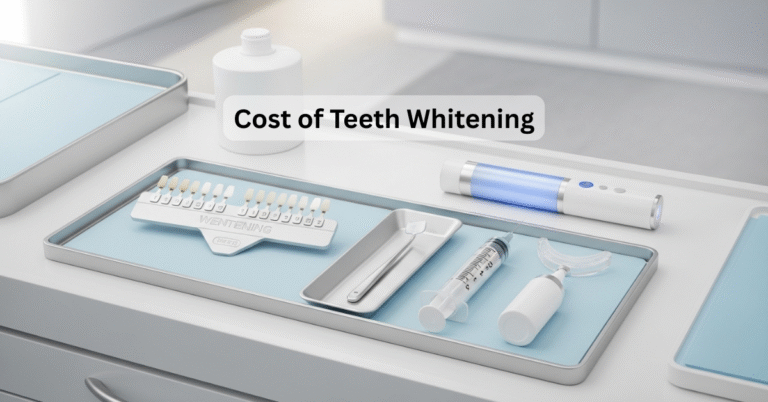
4. Dentist-Supervised Teeth Whitening
For many patients with generalized yellowing from stains or age-related discoloration, dentist-supervised whitening is one of the best options. The ADA explains that bleaching agents such as hydrogen peroxide and carbamide peroxide work by chemically changing the color of the tooth. Cleveland Clinic says professional whitening can work well on surface stains and may also improve some deeper stains.
The NHS says the safest way to whiten teeth is through a dentist or a dentist-provided kit, and warns that treatment from beauty salons or pharmacy/online kits may not work as well and can harm teeth or gums. It also notes that dentists should check that your teeth and gums are healthy before whitening, which is exactly why yellowing should be assessed rather than treated blindly.
The NHS also explains that dentist-provided tray whitening often takes around 2 to 6 weeks, while in-office whitening is faster and is usually done in one appointment. It notes that temporary side effects can include sensitivity, sore gums or throat, and white patches on the gums.
5. Bonding, Veneers, or Crowns for Deeper or Stubborn Discoloration
Not every yellow tooth responds well to whitening. Cleveland Clinic notes that if deep discoloration does not improve with whitening, dentists may recommend:
- dental bonding
- porcelain veneers
- dental crowns
Bonding can help cover localized discoloration. Veneers may be considered when discoloration is widespread and whitening does not produce the desired result. Crowns may be recommended when the tooth is both discolored and structurally weakened or decayed. Cleveland Clinic specifically notes crowns may be recommended when teeth are weakened or decayed in addition to being discolored.
This is important for SEO and topical authority because “yellow teeth” is not only a whitening topic — it also naturally connects to cosmetic dentistry and restorative dentistry.
What Not to Ignore
Yellow teeth are often harmless surface or age-related discoloration, but certain patterns deserve prompt attention:
- one tooth suddenly turning darker than the others
- yellow-brown discoloration with visible holes or spots
- color change after trauma
- discoloration plus pain, swelling, or lingering sensitivity
- discoloration plus enamel wear or gum recession
Cleveland Clinic notes that brown stains with small holes can indicate untreated decay, gray discoloration may mean the nerve has died, and trauma can change tooth color.
That means not every yellow tooth should be handled with whitening first. Sometimes the better move is diagnosis and treatment.
How to Keep Teeth From Getting More Yellow
Prevention works best when it targets the common causes.
Helpful habits include:
- brushing twice daily with fluoride toothpaste
- using a soft-bristled brush and gentle pressure
- flossing and reducing plaque buildup
- limiting frequent exposure to coffee, tea, cola, and red wine
- rinsing with water after staining drinks
- stopping tobacco use
- staying consistent with professional cleanings
The ADA’s brushing guidance and Cleveland Clinic’s plaque and discoloration guidance all support these basics. Cleveland Clinic also specifically recommends limiting stain-causing drinks and using water to rinse after them.
Frequently Asked Questions
1. Why are my teeth getting yellow even though I brush them?
Brushing helps, but it cannot fully stop yellowing from aging, enamel thinning, certain foods and drinks, tobacco, genetics, internal discoloration, or tartar that has already hardened. The ADA and Cleveland Clinic both note that aging and intrinsic discoloration can make teeth appear more yellow even when hygiene is decent.
2. Can yellow teeth become white again?
Sometimes, yes — especially if the yellowing is mainly surface stain. Extrinsic stains often respond to cleaning and whitening. But if the color change is intrinsic, due to enamel thinning, trauma, fluorosis, or restorations, the result may be limited or may require bonding, veneers, or crowns instead of simple whitening.
3. Does whitening toothpaste really work?
It can help with surface stains, but it does not significantly change deeper intrinsic tooth color. The ADA specifically notes that many OTC whitening products are effective mainly for extrinsic stains and have little effect on intrinsic discoloration.
4. Is professional teeth whitening safe?
According to the NHS, the safest way to whiten teeth is through a dentist or a dentist-provided kit. It also notes that the chemicals used are strong and should only be used or sold by trained dental professionals. Some short-term sensitivity or gum irritation can happen, but professional supervision is the safest route.
5. Why is only one tooth turning yellow or dark?
A single darker tooth may be linked to trauma, internal tooth changes, prior dental treatment, or nerve-related problems. Cleveland Clinic notes that trauma can discolor a tooth and that gray discoloration can mean the nerve has died. This is a situation to have evaluated rather than just whitened.
6. When should I see a dentist about yellow teeth?
You should book a dental visit if the yellowing is sudden, affects one tooth, comes with pain or sensitivity, is associated with visible holes or spots, or does not improve with cleaning and normal home care. Dentists determine treatment based on the cause and whether the discoloration is extrinsic or intrinsic.
Conclusion
Teeth can turn yellow for many different reasons, and the right fix depends on the real cause. For some people, it is mostly surface staining from coffee, tea, tobacco, plaque, or tartar. For others, it is more about aging, enamel thinning, fluorosis, medications, trauma, or internal discoloration. That is why yellow teeth should not automatically be treated as a simple whitening problem. Surface stains may improve with better home care, cleaning, and professional whitening, while deeper discoloration may need bonding, veneers, or crowns. For patients in Texas, this topic is a strong entry point into both preventive and cosmetic dental care because it helps connect what people see in the mirror to what may actually be happening inside the mouth.