
What Happens If You Ignore a Missing Tooth?
What Happens If You Ignore a Missing Tooth?
Losing a tooth can feel like a cosmetic problem at first, especially if the gap is in the back of the mouth and no one else can see it. But a missing tooth is usually more than an appearance issue. Authoritative dental sources note that leaving tooth loss untreated can lead to jawbone loss, shifting teeth, bite problems, speech changes, pressure on remaining teeth, and even future tooth loss. Cleveland Clinic describes tooth loss as the “first domino,” explaining that once one permanent tooth is gone, other oral health issues can follow if the gap is not treated.
That is why dentists usually encourage patients not to “just live with it” without at least discussing replacement options. The American College of Prosthodontists explains that missing teeth affect proper chewing, jaw support, and the stability of the remaining teeth, and that nearby and opposing teeth can shift into the empty space over time. They also note that it is generally easier to restore a missing tooth sooner rather than waiting for years after surrounding teeth have moved significantly.
For patients in Texas, this topic matters because many people delay treatment thinking a single missing tooth is not urgent. Sometimes it is not an immediate emergency — but it often becomes a bigger dental problem the longer it is ignored. This guide explains what can happen when a missing tooth is left untreated, why timing matters, and what dentists commonly recommend to protect long-term oral health.
What Does a Missing Tooth Actually Change?
A natural tooth does more than fill a visible space in your smile. It also helps support chewing, keeps surrounding teeth in position, contributes to normal speech and bite alignment, and stimulates the jawbone through the tooth root. When a tooth is removed or lost, all of those functions are affected to some degree. Cleveland Clinic notes that losing even one adult tooth can lead to other oral health issues like bone loss, shifting teeth, jaw pain, malocclusion, and further tooth loss if the condition is not treated.
This helps explain why dentists often talk about a missing tooth as a functional problem, not just a visual one. The American College of Prosthodontists similarly states that replacing missing teeth supports proper chewing, jaw support, stability of the remaining teeth, and an attractive smile.
So when a tooth goes missing, the effects are not always dramatic on day one. But the mouth begins adapting right away — and those adaptations are not always healthy.
1. Nearby Teeth Can Shift, Tilt, or Drift Into the Space
One of the most well-established consequences of an untreated missing tooth is movement of the surrounding teeth. The teeth next to the gap may start to drift or tip into the empty space. The tooth above or below the gap can also move because it no longer has an opposing tooth to meet when you bite down. The American College of Prosthodontists states that the teeth next to and above a missing tooth “will shift, move, and tip into the space in time.” Cleveland Clinic also lists shifting teeth as a complication of untreated tooth loss.
This movement may happen gradually, which is why some people do not notice it right away. But over time, it can change how the teeth fit together and may complicate future treatment. That is one reason prosthodontists emphasize that it is much easier to restore a missing tooth soon after it is lost than after teeth have had years to drift.
From an SEO and topical-authority standpoint, this is an important point because it connects naturally with topics like restorative dentistry, dentures, crowns, dental implants, and long-term bite stability. It also matches how real patients search: many people look up missing teeth only after they start noticing shifting, crowding, or bite changes.
2. The Jawbone Under the Missing Tooth Can Start to Shrink
A missing tooth does not just leave a gap above the gums — it also affects the bone underneath. Tooth roots help stimulate the jawbone when you bite and chew. When that stimulation disappears, the bone in that area can begin to shrink over time. Cleveland Clinic lists bone loss in your jaw as one of the main complications of untreated tooth loss, and it also notes that replacing missing teeth can reduce the risk of bone loss.
This bone loss matters for a few reasons. First, it can change the shape and support of the gums and jaw in that area. Second, it can affect neighboring teeth. Third, if a patient waits a long time before considering treatment, certain replacement options may become more complex because the site no longer has the same bone support it had when the tooth was first lost. Cleveland Clinic’s dental implant guidance also highlights jawbone preservation as one of the major benefits of implants, which reinforces how important that root-level stimulation is in the first place.
This is one of the main reasons dentists often say that replacing a missing tooth is not just about closing a gap. It is also about protecting the bone and structure that supported that tooth before it was lost.
3. Your Bite Can Change — and That Can Affect Comfort Over Time
When teeth shift and the bone changes around a missing area, the bite can become less stable. Cleveland Clinic lists malocclusion and TMJ disorder among the possible complications of untreated tooth loss, along with excess pressure on the remaining teeth.
In practical terms, that can mean:
- uneven chewing forces
- a bite that no longer feels balanced
- certain teeth doing more work than they were designed to do
- greater strain on the jaw joint and muscles
A bad bite does not always show up as immediate pain. Sometimes it appears as subtle clenching, fatigue in the jaw, uneven wear, or a feeling that the teeth no longer “fit” together as they used to. Over time, that imbalance can increase wear on the remaining teeth and make the whole mouth work less efficiently. Cleveland Clinic’s description of tooth loss as the “first domino” fits here especially well, because one untreated gap can gradually change the mechanics of the rest of the bite.
This is especially important when the missing tooth is a back tooth. People sometimes assume a missing molar does not matter because it is not visible, but back teeth play a major role in distributing chewing forces and maintaining a stable bite.
4. Chewing Can Become Less Efficient
Missing teeth can affect how well you chew, and that can influence both comfort and quality of life. The American College of Prosthodontists specifically notes that replacing missing teeth is important for proper chewing of food. Cleveland Clinic adds that even one missing tooth can affect quality of life, and gives a practical example: if you cannot chew properly, you may not be able to eat certain foods and may not get enough nutrition as a result.
Research literature supports that connection as well. A study available through PubMed Central found that chewing disability had a significant negative impact on oral-health-related quality of life and that reduced numbers of natural teeth were associated with poorer chewing ability and poorer quality of life.
This does not mean one missing tooth automatically causes malnutrition. But it does mean the mouth may become less efficient, especially if:
- the missing tooth was involved in chewing
- multiple teeth are missing
- the patient begins avoiding firmer foods
- the bite becomes unstable over time
Many patients adapt by chewing on one side or favoring softer foods. That adaptation may help in the short term, but it does not solve the underlying problem.
5. Speech Can Change, Especially If the Missing Tooth Is Toward the Front
Tooth loss can also affect speech. Cleveland Clinic lists speech changes or trouble enunciating among the complications of untreated tooth loss. Its dental implant guidance also notes that tooth loss changes the way you eat, speak, and connect with the world around you, and that implants can improve speech and enunciation.
This tends to be more noticeable when front teeth are missing because front teeth help guide airflow and tongue placement for certain sounds. Patients may notice slight lisps, difficulty pronouncing specific consonants, or a general feeling that speech sounds different than it used to. Even when speech changes are mild, they can affect confidence in social, academic, or professional situations.
That is one reason the impact of a missing tooth is often both functional and emotional. It may affect how a person eats, speaks, smiles, and feels in public — even if the problem started as “just one tooth.”
6. The Remaining Teeth May Take on More Pressure
When one tooth is missing, the remaining teeth often compensate. Cleveland Clinic explicitly lists excess pressure on remaining teeth as a complication of untreated tooth loss and notes that leaving tooth loss untreated can make another tooth more likely to be lost in the future.
That extra workload may contribute to:
- uneven wear
- strain on certain teeth
- more stress on restorations such as fillings or crowns
- changes in chewing habits
This does not mean every untreated missing tooth will directly cause another one to fail. But it does mean the mouth becomes less balanced. Over time, that imbalance can become part of a bigger restorative problem.
For patients looking at treatment decisions in Texas, this is often the moment the issue stops feeling “optional.” The missing tooth is no longer just a gap — it has started affecting the health and mechanics of the teeth that are still there.
7. Facial Support and Appearance Can Change Over Time
A missing tooth can change the appearance of the smile immediately, but longer-term changes can go beyond the visible gap. Cleveland Clinic lists cosmetic changes, including gaps in the smile and facial sagging from lack of support, among the complications of untreated tooth loss.
This is especially tied to bone loss and loss of structural support in the area of the missing tooth. Even when the change is subtle, it can affect how full the smile looks and how supported the surrounding tissues feel. In patients with more than one missing tooth, or with long-standing tooth loss, these changes can become more obvious.
Appearance is not the only reason to replace missing teeth — but it is a valid one. Confidence, smiling, speaking, and social comfort all matter. Cleveland Clinic also notes that tooth loss can have a monumental impact on confidence, in addition to oral health.
8. Waiting Too Long Can Make Treatment Harder Later
One of the most important takeaways is that ignoring a missing tooth can make later treatment more complicated. The American College of Prosthodontists states that it is much easier to restore a missing tooth soon after it is lost than after years of shifting. Cleveland Clinic likewise says that replacing a tooth gives you the best chance for long-term oral health and that unless a lost tooth is replaced, another one is more likely to be lost in the future.
This does not mean every patient needs immediate same-week treatment. It does mean early evaluation is smart. The sooner a dentist examines the area, the sooner they can assess:
- whether surrounding teeth are already moving
- whether the bone and gums remain healthy
- which replacement options are realistic
- whether treatment can stay simpler and more conservative
From a topical SEO perspective, this is the bridge between the informational question (“What happens if I ignore a missing tooth?”) and the service-intent pages for implants, dentures, crowns, general dentistry, and emergency dentistry.
Does It Matter Whether the Missing Tooth Is a Front Tooth or a Back Tooth?
Yes, but both matter.
A missing front tooth tends to affect appearance and speech more noticeably, because it is visible when smiling and helps with enunciation. Cleveland Clinic’s complication list includes speech changes, and its implant article highlights improved speech as a benefit of replacement.
A missing back tooth often affects chewing and bite mechanics more than people expect. The American College of Prosthodontists emphasizes proper chewing and stability of the remaining teeth, which is especially relevant for molars and premolars.
So while the day-to-day experience may differ, neither type of missing tooth is something dentists typically consider irrelevant.
What If the Tooth Was Just Lost Recently?
If the tooth was lost very recently because of trauma, the situation may be more urgent than many people realize. A knocked-out adult tooth can sometimes be saved if action is taken quickly. The American Association of Endodontists says to act within 30 minutes, handle the tooth only by the crown, keep it moist, and get to a dentist or endodontist promptly. Cleveland Clinic likewise describes an avulsed tooth as a dental emergency and says teeth treated within 30 minutes to one hour have the best chance of success. The ADA also advises keeping the tooth moist and getting to the dentist right away.
So if the tooth went missing today, “ignoring it” is not the move. Early emergency care may be the difference between saving the natural tooth and needing a replacement later.
How Dentists Usually Treat a Missing Tooth
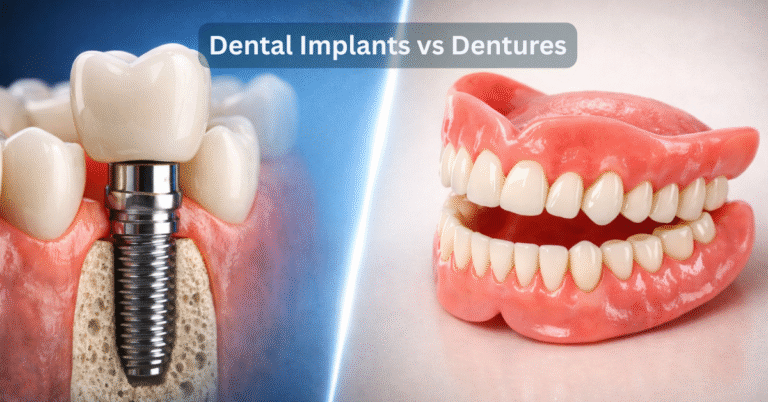
Cleveland Clinic lists the main tooth replacement options as:
- dental implants
- bridges
- dentures
The American College of Prosthodontists similarly notes that missing teeth are commonly replaced with removable partial dentures, fixed dental prostheses such as bridges, or dental implants.
Which option is best depends on factors like:
- where the missing tooth is
- how many teeth are missing
- the condition of the surrounding teeth and gums
- bone support
- overall health
- budget and treatment goals
This is why an early consultation matters. The treatment is not one-size-fits-all, but the risk of doing nothing is fairly consistent: the longer the gap stays untreated, the more likely the surrounding structures are to change.
Frequently Asked Questions
1. Can you leave one missing tooth untreated?
You can physically leave a missing tooth untreated, but dentists generally do not consider that ideal. Cleveland Clinic notes that losing even one tooth can lead to bone loss, shifting teeth, malocclusion, and more future tooth loss if it is not treated.
2. Will the other teeth really move if one tooth is missing?
Yes, they can. The American College of Prosthodontists states that the teeth next to and above a missing tooth can shift, move, and tip into the space over time. Cleveland Clinic also lists shifting teeth as a complication of untreated tooth loss.
3. Does a missing back tooth matter if no one can see it?
Yes. Even if the missing tooth is not visible, back teeth are important for chewing and bite balance. Missing teeth affect proper chewing and the stability of the remaining teeth, according to the American College of Prosthodontists.
4. Can a missing tooth cause bone loss?
Yes. Cleveland Clinic lists bone loss in the jaw as one of the complications of untreated tooth loss and notes that replacing missing teeth can reduce the risk of bone loss.
5. What is the best replacement for a missing tooth?
There is no universal answer. Cleveland Clinic lists implants, bridges, and dentures as standard treatment options, while the best choice depends on the number of missing teeth, bone support, surrounding teeth, and treatment goals.
6. Is a knocked-out adult tooth a dental emergency?
Yes. The AAE, ADA, and Cleveland Clinic all treat a knocked-out permanent tooth as an emergency and recommend immediate action, including keeping the tooth moist and seeing a dentist right away.
Conclusion
Ignoring a missing tooth can set off a chain of changes in the mouth. The gap itself is only the beginning. Over time, untreated tooth loss can lead to shifting teeth, jawbone loss, bite problems, speech changes, chewing difficulty, added pressure on remaining teeth, and more complex treatment later on. Cleveland Clinic and the American College of Prosthodontists both make the same broader point: replacing missing teeth supports long-term oral health, function, and stability, and it is generally easier to restore the problem sooner rather than after years of change.
For patients in Texas, the smartest next step after losing a tooth is not to assume it can safely be ignored. It is to get the area evaluated, understand the options, and make a decision before a single missing tooth turns into a much bigger restorative issue.